How to Transition Your Child’s Wardrobe from Summer to Fall
As the days begin to feel a little cooler, mornings become more comfortable, and summer afternoons slowly lose their heat, many parents start wondering how to dress their children for the changing weather. Learning How to Transition Your Child’s Wardrobe from Summer to Fall does not mean packing away every warm-weather outfit at once. Instead, it is about making small, practical changes that help your child stay comfortable as temperatures shift throughout the day.
Fall weather can be unpredictable, especially during the first few weeks. A morning may feel chilly, while the afternoon becomes warm again. Because of this, children need clothes that are easy to add, remove, and combine. Fortunately, you do not need to replace an entire wardrobe. With a little planning, you can reuse many summer pieces while introducing a few warmer layers.
The best part is that this transition can be simple and affordable. You can work with clothes your child already owns, identify what still fits, and then add only the pieces that are truly useful. Moreover, involving your child in the process can make getting dressed easier because they can help choose colors, layers, and favorite outfits.

This guide walks you through the process step by step. Each step focuses on a practical part of the seasonal wardrobe change, so you can move from summer clothing to fall-ready outfits without unnecessary stress.
Why the Summer-to-Fall Wardrobe Transition Matters
Before getting started, it helps to understand why seasonal wardrobe changes are useful. Children spend a lot of time moving between different temperatures. They may leave home in cool weather, sit in a warm classroom, play outside during lunch, and return home when the temperature has dropped again.
Therefore, clothing needs to be flexible.
The goal is not simply to make a child look ready for fall. Comfort should come first. Clothes should allow movement, suit the weather, and be easy enough for children to manage themselves when possible.
A good seasonal transition also helps you avoid two common problems. The first is dressing a child too warmly too early. The second is waiting until the weather becomes cold before realizing that jackets, long pants, or suitable shoes no longer fit.
That is why How to Transition Your Child’s Wardrobe from Summer to Fall should begin before you actually need every fall item. A little preparation gives you time to check sizes, wash stored clothing, and replace anything that has become worn out.
Check out our
12 Non-Scary Halloween Costumes for Kids
Best Backpacks for Kindergarten: How to Choose the Perfect One
Cute Back-to-School Outfits for Kids
Best Back-to-School Accessories for Kids
Best Thanksgiving Dresses for Little Girls
Matching Family Thanksgiving Outfit Ideas
15 Cute Thanksgiving Outfits for Kids
How to Transition Your Child’s Wardrobe from Summer to Fall
Step 1: Check the Weather Before Changing Everything

The first step is to pay attention to your local weather.
Fall does not arrive with the same temperatures everywhere. In some places, the season starts with mild mornings and warm afternoons. In other areas, cooler temperatures appear quickly. As a result, your child’s wardrobe should reflect the weather where you live rather than a general idea of what fall clothing is supposed to look like.
Look at the temperatures over several days. Notice whether mornings are cooler than afternoons. Also consider rain, wind, and how much time your child spends outside.
For example, if mornings are slightly cool but afternoons remain warm, there is no need to remove every pair of shorts immediately. Instead, you can keep shorts available while introducing lightweight pants and long-sleeved tops.
Similarly, if the weather changes quickly, layers will be more useful than heavy clothing.
This approach makes How to Transition Your Child’s Wardrobe from Summer to Fall much easier because you are responding to real conditions instead of making a sudden seasonal switch.
Step 2: Take Everything Out and Sort It
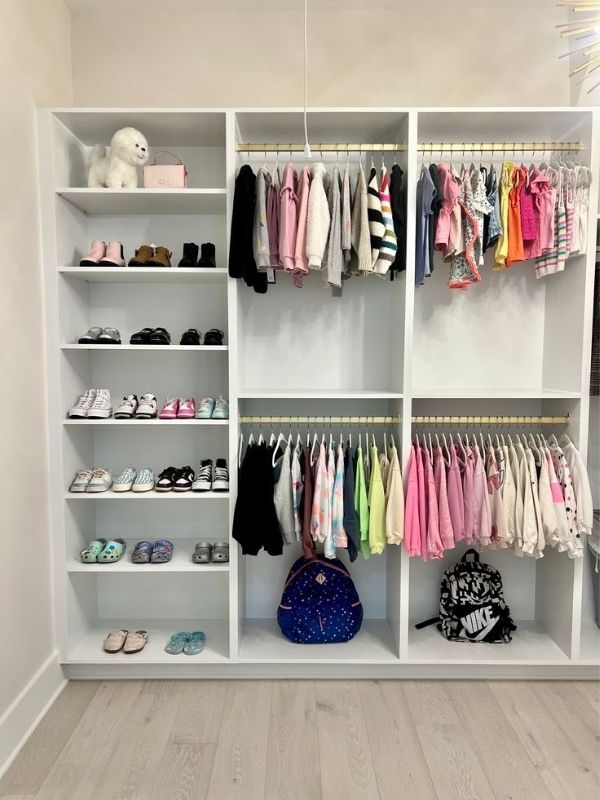
Once you have a better idea of the weather, it is time to look through your child’s clothes.
Bring out the current summer wardrobe and any fall clothes that have been stored away. Put everything somewhere you can see it clearly. Then, sort the clothing into simple groups.
You can separate items into summer pieces that can still be worn, transitional pieces, warmer fall pieces, clothes that no longer fit, and items that need repair or replacement.
Do not rush this stage.
Children grow quickly, so a jacket that fit perfectly last year may now have short sleeves. Likewise, pants can become too short even when the waistband still fits. Checking everything at once prevents unpleasant surprises later.
As you sort, ask practical questions. Does it fit? Is it comfortable? Is it still in good condition? Can it be layered? Does your child actually wear it?
If the answer is no, there may be no reason to keep it in the everyday wardrobe.
A careful sort is one of the most useful parts of How to Transition Your Child’s Wardrobe from Summer to Fall because it shows you what you already have before you spend money on anything new.
Please keep Reading….. Don’t stop here 
Step 3: Keep Summer Clothes That Work for Layering
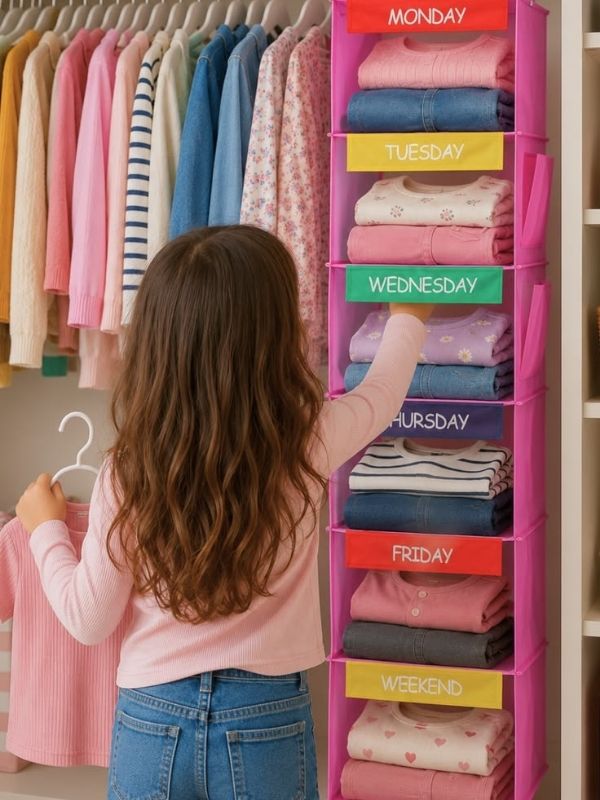
One of the biggest mistakes parents can make is putting away every summer item as soon as fall begins.
Many lightweight summer clothes are perfect for transitional weather.
Short-sleeved T-shirts, lightweight dresses, cotton tops, skirts, and some shorts can continue to work when paired with warmer layers. For instance, a child can wear a favorite T-shirt under a cardigan or lightweight jacket.
A summer dress can also become a fall outfit when worn with a long-sleeved top underneath and suitable shoes. Likewise, a lightweight shirt can work beneath a sweatshirt when the morning is cool.
The key is to think in terms of combinations rather than individual pieces.
Instead of asking whether an item is a “summer” piece or a “fall” piece, ask whether it can be worn comfortably in changing temperatures.
This simple change in thinking can save money and make the wardrobe more versatile. It also makes How to Transition Your Child’s Wardrobe from Summer to Fall less overwhelming because you are building on what your child already owns.
Baby’s First Christmas Outfit Ideas
Best Matching Family Christmas Pajamas
Christmas Party Outfits for Kids
20 Christmas Outfits for Kids That Are Merry and Stylish
15 Cute Thanksgiving Outfits for Kids
Step 4: Introduce Lightweight Layers First
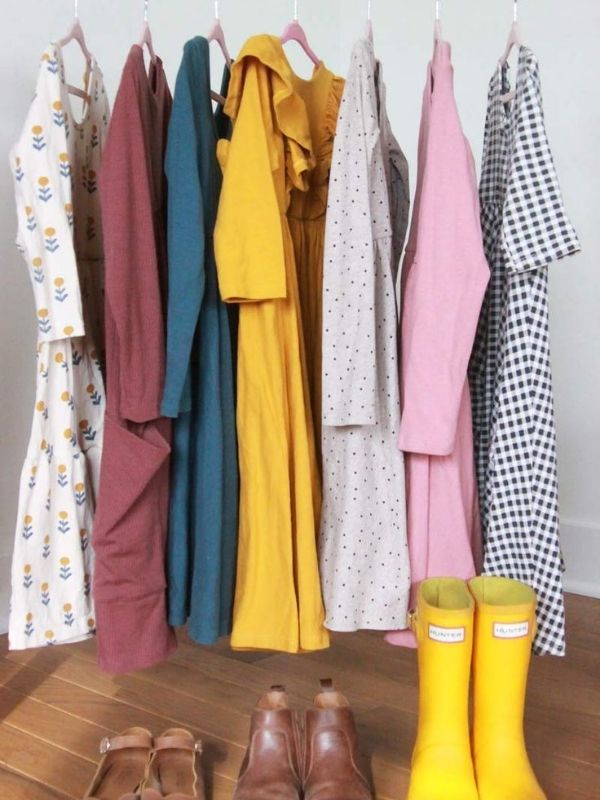
When temperatures begin to drop, lightweight layers should usually come before thick winter clothing.
Cardigans, thin sweaters, zip-up hoodies, lightweight jackets, and overshirts are useful because they can be removed when the afternoon becomes warmer.
For younger children, choose layers that are easy to put on and take off. Simple zippers, stretchy fabrics, and comfortable openings can make a big difference. Older children may be able to manage buttons and more structured layers themselves.
Try not to add too many layers at once. Two comfortable layers are often more practical than several bulky ones.
For example, a T-shirt with a cardigan may be enough for a mild morning. If it becomes warmer later, the cardigan can come off. On a cooler day, a light jacket can be added.
This flexible approach is central to How to Transition Your Child’s Wardrobe from Summer to Fall because layering allows the same clothes to work across several temperatures.
Step 5: Add Long-Sleeved Tops Gradually
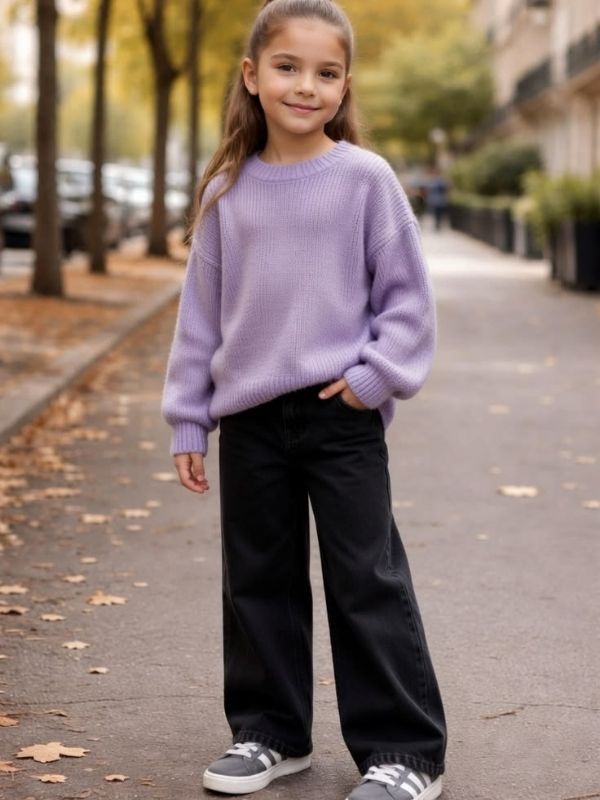
Long-sleeved tops are another easy way to move toward fall clothing without making the wardrobe too heavy.
Start with lightweight long-sleeved shirts. Cotton or other breathable fabrics can be useful during mild weather because they provide more coverage without feeling overly warm.
You do not need to replace every short-sleeved shirt. Instead, create a balance between both options.
For example, your child’s drawer might contain short-sleeved shirts for warmer afternoons and lightweight long-sleeved tops for cooler mornings. This gives your child choices without filling the closet with unnecessary clothes.
Long-sleeved tops can also be layered under dresses, shirts, sweatshirts, and jackets.
When choosing new pieces, consider whether they can be worn with several bottoms. A versatile top that works with jeans, leggings, trousers, or skirts is usually more useful than a piece that only matches one outfit.
This is another reason How to Transition Your Child’s Wardrobe from Summer to Fall works best as a gradual process instead of a complete seasonal replacement.
You may also like
Best Thanksgiving Dresses for Little Girls
12 Non-Scary Halloween Costumes for Kids
Family Halloween Costume Ideas with Kids
Best Halloween Accessories for Kids in 2026
11 Adorable Toddler Halloween Costume Ideas
Best Sun Hats for Kids: How to Choose the Right One for Every Adventure
Step 6: Bring Out Pants and Other Transitional Bottoms
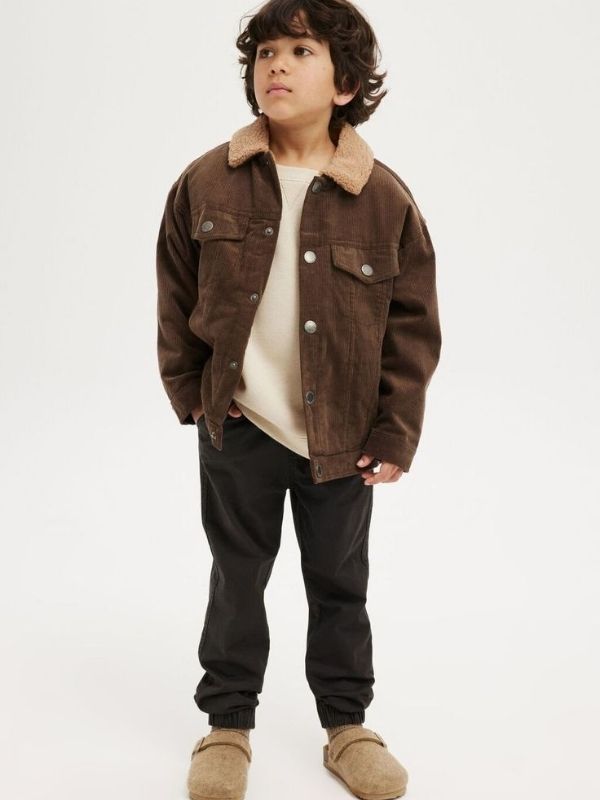
As the weather cools, begin introducing more pants while keeping a few summer bottoms available.
Jeans, cotton trousers, leggings, joggers, and other comfortable pants can become everyday options during fall. However, comfort remains important. Children need freedom to run, sit, bend, climb, and play.
If your child dislikes stiff or restrictive clothing, look for soft fabrics and flexible waistbands.
You can also pair familiar summer tops with new fall bottoms. A favorite T-shirt that your child wore throughout summer can suddenly feel more suitable for fall when paired with long pants and a lightweight jacket.
There is no need to make every outfit look completely different.
Instead, think about creating outfits that gradually become warmer as the temperature changes. This makes getting dressed easier because your child already recognizes many of the pieces.
When considering How to Transition Your Child’s Wardrobe from Summer to Fall, transitional bottoms are especially helpful because they can remain useful for much of the season.
Step 7: Check Jackets, Sweaters, and Outer Layer

Now it is time to inspect the warmer layers.
Take out jackets, sweaters, hoodies, cardigans, and other outerwear. Check each item carefully for size and condition.
Have your child try on the most important pieces. Ask them to move their arms, bend down, and walk around. Clothing should not feel excessively tight or restrict normal movement.
Pay particular attention to sleeve length and the fit around the shoulders. A jacket may look fine while your child is standing still but feel uncomfortable when they move.
Also check zippers, buttons, pockets, seams, and fasteners. Small problems are easier to fix before the weather becomes cooler.
If a child has outgrown a favorite jacket, you may want to plan a replacement before it becomes an everyday necessity.
This practical check is an important part of How to Transition Your Child’s Wardrobe from Summer to Fall because outerwear often becomes essential before parents realize how quickly the temperature has changed.
Step 8: Review Shoes and for Changing Weather

Clothing is only one part of the seasonal transition. Shoes deserve attention too.
Summer sandals may still be useful during warm days, but children often need more coverage as the weather changes. Sneakers, closed-toe shoes, boots, or other suitable footwear may become more practical depending on the climate and your child’s activities.
Start by checking the shoes your child already owns.
Make sure they still fit comfortably. Children’s feet grow, and shoes that seemed fine a few months ago may now feel tight.
Look at the soles and overall condition as well. If shoes are worn out, uncomfortable, or no longer suitable for your child’s daily activities, it may be time to replace them.
Avoid buying several new pairs simply because the season has changed. Instead, focus on versatile footwear that can work with several outfits.
This keeps the wardrobe manageable while making How to Transition Your Child’s Wardrobe from Summer to Fall more practical from head to toe.
Step 9: Build Simple Layered Outfits
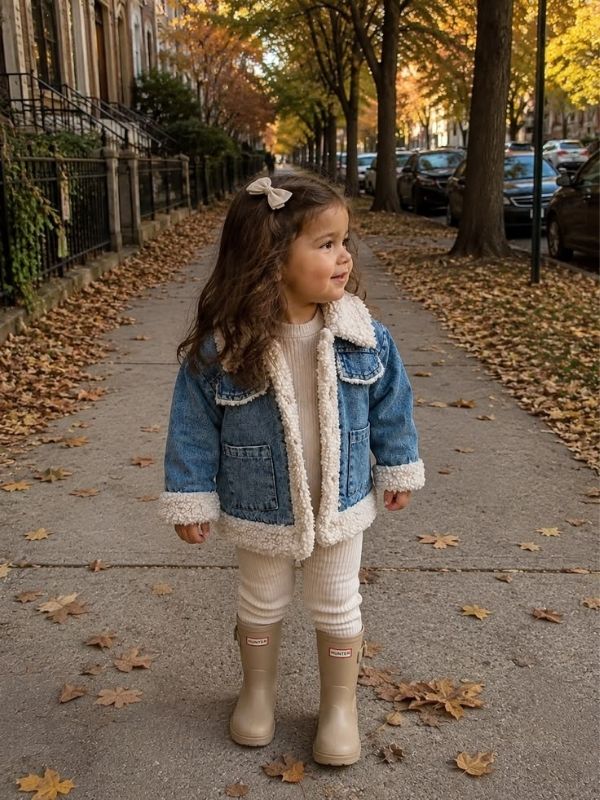
Once the main clothing pieces are ready, start creating complete outfits.
This is where the wardrobe begins to feel organized.
Try putting together a few combinations using pieces that your child already likes. A T-shirt, comfortable pants, cardigan, and sneakers can create a simple fall outfit. Another option might be a long-sleeved top, jeans, lightweight jacket, and closed-toe shoes.
For girls who enjoy dresses, a lightweight dress can be paired with a cardigan and suitable shoes. For boys, a T-shirt can be combined with jeans and an overshirt. Of course, these ideas can work for any child because personal style matters more than strict clothing rules.
The important thing is that each outfit should make sense for the temperature and activities of the day.
If your child goes to school, consider creating several easy combinations that require little thought in the morning. This can make busy weekdays smoother.
Learning How to Transition Your Child’s Wardrobe from Summer to Fall becomes much easier when you think about complete outfits rather than individual pieces.
Step 10: Create a Flexible School-Day Clothing System
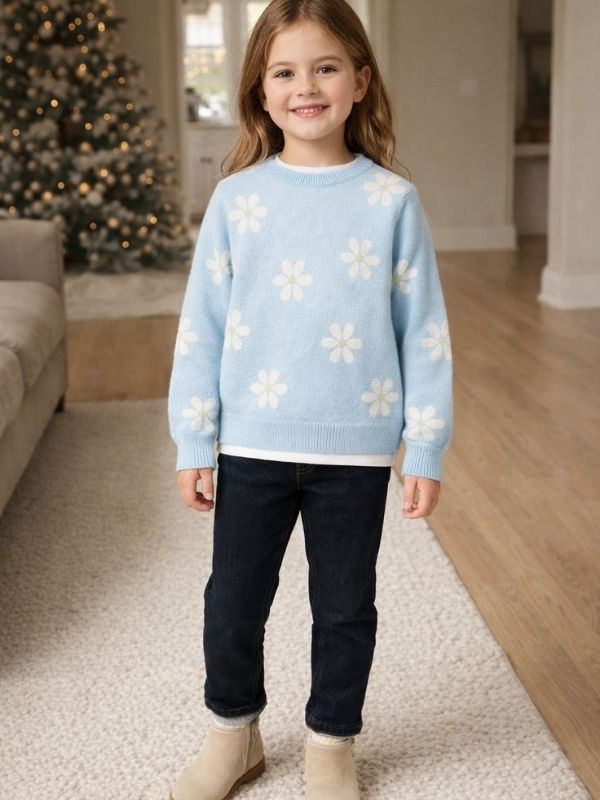
School mornings can be rushed, so the wardrobe should make dressing simple.
Arrange frequently worn clothes where your child can reach them easily. Keep everyday tops and bottoms together rather than mixing them with clothing that is rarely worn.
You can also create a small selection of reliable outfit combinations.
For example, a child might have several comfortable pants, several basic tops, and a few layering pieces that all work together. Because the colors and styles coordinate, choosing an outfit becomes easier.
If your child wears a school uniform, the same principle applies. Check whether the uniform requires sweaters, jackets, specific shoes, or other seasonal pieces.
Prepare these items before the weather becomes significantly cooler.
It can also help to keep an extra layer available in a backpack when appropriate. That way, a child has an option if the temperature changes during the day.
A simple system is especially useful when practicing How to Transition Your Child’s Wardrobe from Summer to Fall because the goal is not only to organize clothes but also to make everyday dressing easier.
Step 11: Add Seasonal Accessories Only When Needed
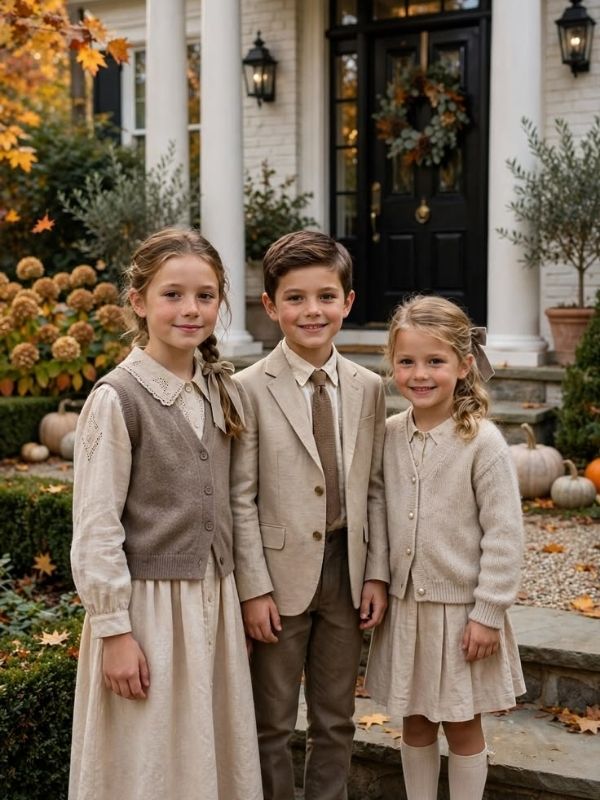
Accessories can make fall outfits more comfortable, but they should be introduced according to the weather.
Depending on where you live, your child may eventually need items such as a light scarf, hat, warmer socks, or other seasonal accessories.
However, there is no need to bring out every cold-weather accessory on the first cool morning.
Start with what the weather actually requires.
If mornings are mildly cool, a light layer may be enough. As temperatures fall, additional accessories can be introduced gradually.
Keep these items in an accessible place so your child can find them without searching through storage boxes.
For younger children, make sure accessories are comfortable and appropriate for their age and activities. School rules may also affect which items can be worn during the day.
The gradual approach keeps How to Transition Your Child’s Wardrobe from Summer to Fall simple while preventing the wardrobe from becoming crowded with items your child does not currently need.
Step 12: Involve Your Child in the Process
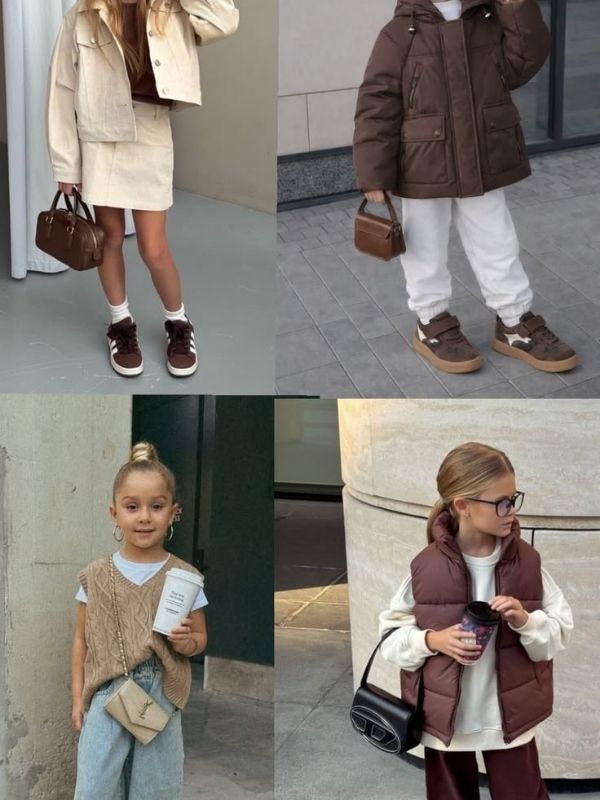
Children often have strong opinions about what they want to wear. Instead of treating this as a problem, use it to make the transition easier.
Invite your child to help sort clothing. Let them choose a few favorite summer pieces that can continue into fall. Then, allow them to select some preferred sweaters, jackets, colors, or outfits.
You can still guide the process.
For example, rather than asking, “What do you want to wear?” when there are too many choices, give two or three weather-appropriate options.
This gives your child some independence while keeping the choices practical.
Older children can also learn how to check the weather and decide whether they need a jacket or another layer. Younger children can learn simple routines, such as putting a sweater in their school bag when the morning is cool.
Involving children can make How to Transition Your Child’s Wardrobe from Summer to Fall feel less like a chore and more like a small seasonal routine.
Step 13: Store Summer Clothes Gradually and Review the Wardrobe Again

The final step is to put away the summer clothing that is no longer needed.
However, do not store everything immediately.
Keep a small selection of warm-weather clothes available for unexpectedly hot days. This is particularly useful if your local weather changes frequently.
Before storing anything, make sure the clothes are clean and completely dry. Fold them neatly and use suitable storage containers or drawers. Keep similar items together so you can find them easily if the weather warms up again.
At the same time, review the fall wardrobe after your child has worn it for a week or two.
You may discover that some clothes are uncomfortable, some combinations do not work, or certain pieces are being worn much more often than others.
Make small adjustments as needed.
This final review completes How to Transition Your Child’s Wardrobe from Summer to Fall because seasonal organization should be flexible rather than something you do once and forget.
How to Make the Transition Without Overspending
A seasonal wardrobe change does not need to become an expensive shopping trip.
Start with what you have.
Children often have plenty of clothes that can work across seasons when they are layered differently. Before buying anything, check whether a lightweight sweater, hoodie, cardigan, or jacket can solve the problem.
Next, make a short list of genuine gaps.
Perhaps your child has several tops but no comfortable pair of everyday pants. Maybe the jacket from last year is too small. Perhaps the shoes are worn out.
Focus on those needs first.
You can also prioritize versatile colors and simple designs. Pieces that coordinate easily with existing clothing will create more outfits and reduce the need to buy several matching items.
Another useful approach is to buy gradually. If the weather is still mild, there is no reason to purchase heavy clothing immediately.
This strategy makes How to Transition Your Child’s Wardrobe from Summer to Fall more affordable and prevents impulse purchases.
How to Choose Fabrics for Transitional Weather
Fabric matters because fall temperatures can change throughout the day.
Breathable materials can be helpful when mornings are cool but afternoons remain warm. Soft fabrics are also useful for children because they spend much of their day moving around.
For layering, avoid combinations that become excessively bulky. A thin shirt under a lightweight sweater can often provide enough warmth without making movement difficult.
Also consider how easy the clothing is to wash. Children play, eat, explore, and get messy. Therefore, everyday fall clothes should be practical enough for regular washing.
You do not need every piece to be special.
In fact, a wardrobe filled with comfortable basics often works better than one filled with complicated outfits.
When thinking about How to Transition Your Child’s Wardrobe from Summer to Fall, fabric selection should support comfort, movement, and easy layering.
Common Mistakes to Avoid
One common mistake is putting away all summer clothes too early.
The beginning of fall can still bring warm afternoons, so keeping a few lightweight pieces available makes sense.
Another mistake is buying clothes before checking what already fits. This can lead to duplicate items and unnecessary spending.
Parents sometimes also focus too much on appearance. While cute outfits can be fun, children need clothes that allow them to move comfortably throughout the day.
Another issue is choosing layers that are difficult for children to remove. If a child cannot manage a jacket, cardigan, or sweater independently, mornings may become frustrating.
It is also easy to forget shoes. A wardrobe may be ready for cooler weather while the child’s everyday sneakers are suddenly too small.
Finally, avoid trying to make the entire wardrobe seasonal in one day.
A gradual approach usually works better.
How to Organize the Wardrobe for Easy Dressing
After sorting everything, think about how your child uses the wardrobe.
Place everyday clothing where it is easy to reach. Less frequently used items can go higher or farther back.
You can also group clothes by type. Keep tops together, bottoms together, and outer layers in an accessible location.
For younger children, simple organization can help them begin choosing their own clothes. You might even separate warm-weather and cooler-weather pieces within the same drawer.
If your child has a small wardrobe, there is no need for complicated organization. The goal is simply to make the clothes visible and easy to combine.
A well-organized wardrobe can save time every morning, especially during busy school days.
How to Handle Unexpected Warm Days
Fall does not always mean consistently cool weather.
You may have several chilly days followed by a surprisingly warm afternoon. That is completely normal in many climates.
This is why transitional clothing matters.
Keep some short-sleeved tops, lightweight bottoms, and breathable dresses available. When temperatures rise, your child can wear these pieces again.
You can also adjust layers during the day. A child might leave home wearing a light jacket and remove it later.
Rather than seeing these changes as a problem, build them into the wardrobe.
That flexibility is one of the main reasons How to Transition Your Child’s Wardrobe from Summer to Fall should focus on layering instead of replacing everything.
Making Fall Dressing Easier for Younger Children
Younger children often need clothing that is simple to manage.
Look for easy fastenings, comfortable waistbands, and layers that can be removed without too much assistance.
If a child is learning to dress independently, practice with fall clothing before the first really cool morning. Show them how to put on a cardigan, close a zipper, or identify the warmer layer they may need.
Keep choices limited.
Too many options can make dressing stressful. A small selection of weather-appropriate outfits can give children independence without overwhelming them.
It can also help to prepare clothes the night before school.
That way, the morning routine starts with fewer decisions.
Making Fall Dressing Easier for Older Children
Older children may want more control over their style.
This is a good opportunity to teach them how to balance personal preference with practical clothing choices.
Encourage them to think about the weather, activities, and comfort before choosing an outfit.
For example, they may love a particular lightweight top, but a cool morning might require an additional layer.
Instead of simply telling them what to wear, explain why certain combinations work.
Over time, they can become more confident at choosing suitable outfits on their own.
This is another useful benefit of How to Transition Your Child’s Wardrobe from Summer to Fall because the process can teach children practical decision-making skills.
Creating More Outfits With Fewer Clothes
You do not need a huge wardrobe to create variety.
The trick is choosing pieces that work together.
A few basic tops can be paired with several bottoms. Different layers can change the appearance and warmth of the same outfit.
For example, one T-shirt can be worn alone on a warmer day, beneath a cardigan on a cooler morning, or under a jacket when extra warmth is needed.
The same pants can work with different tops and outer layers.
This mix-and-match approach reduces clutter and makes laundry easier to manage.
It also helps children become familiar with their clothing choices.
A Simple Fall Wardrobe Formula
A useful formula is to think about clothing in three levels.
The first level is the base layer. This might be a T-shirt, long-sleeved top, dress, or lightweight shirt.
The second level is the warming layer. This could be a cardigan, sweater, sweatshirt, or overshirt.
The third level is the outer layer. Depending on the weather, this could be a lightweight jacket or another suitable coat.
Not every day requires all three.
On a mild day, your child may only need the first layer. On a cooler morning, the second layer can be added. If the weather is colder or windy, the outer layer may become useful.
This simple system makes How to Transition Your Child’s Wardrobe from Summer to Fall easier to understand and apply.
When Should You Start the Transition?
There is no single date that works for every family.
Start when the weather begins changing in your area.
You may notice that your child feels chilly in the morning, asks for a sweater, or stops wearing some summer pieces comfortably. These are useful signs that it is time to begin.
You do not have to wait for an official seasonal date.
Likewise, you do not need to rush.
A gradual transition gives you enough time to discover what your child actually needs.
Keeping the Wardrobe Comfortable and Practical
At the end of the day, the best fall wardrobe is one your child can actually live in.
Children need clothes that can handle school, playtime, family activities, errands, and ordinary messy moments.
That means comfort should remain a priority.
Choose pieces that fit properly, allow movement, and are easy to care for. Consider your child’s daily routine when deciding what deserves space in the wardrobe.
If your child spends a lot of time outdoors, outer layers may be especially important. If they spend most of the day indoors, lightweight layers may be more useful.
There is no universal fall wardrobe.
The best wardrobe is the one that fits your child’s environment and routine.
Final Thoughts
Seasonal wardrobe changes do not have to mean starting over. With a thoughtful approach, you can use many of your child’s summer clothes while gradually introducing pieces that provide more warmth and coverage.
The key is to focus on flexibility. Check the weather, sort what you already own, keep useful summer pieces, introduce lightweight layers, check sizes, review shoes, and create simple combinations that your child can comfortably wear throughout the day.
Most importantly, remember that How to Transition Your Child’s Wardrobe from Summer to Fall is a process rather than a single task. You can make changes gradually as the weather develops instead of trying to complete everything at once.
By taking these steps, you can create a wardrobe that feels organized, comfortable, practical, and ready for the season. You will also avoid unnecessary shopping because you will have a much clearer idea of what your child actually needs.
And when the first truly cool morning arrives, getting dressed will feel much easier because the right layers are already within reach.
A little preparation can make a big difference. Rather than packing away summer clothing and immediately replacing it with heavy fall pieces, look for ways to make the wardrobe work harder. Mix familiar favorites with lightweight layers, give your child some choices, and adjust the clothing as temperatures change.
That is the simplest way to make How to Transition Your Child’s Wardrobe from Summer to Fall practical for real family life.
With a little organization and a gradual approach, the change of seasons can become an easy part of your family’s routine instead of another stressful task on the to-do list.