10 Easy Layering Tips for Kids During Fall and Winter
Getting kids dressed during cooler months can be a little challenging, especially when the temperature changes throughout the day. One minute your child may feel chilly, and the next they may be running around and feeling warm. That is why 10 Easy Layering Tips for Kids During Fall and Winter can make everyday dressing much simpler. With the right combination of comfortable base layers, cozy middle pieces, and weather-friendly outerwear, children can stay comfortable without feeling weighed down by too many clothes.
Fall and winter are beautiful seasons for family outings, school activities, playground adventures, and cozy days at home. However, cooler weather also means that children’s wardrobes need a little more thought. Instead of putting one very thick item on your child, layering allows you to adjust their clothing as the temperature changes.
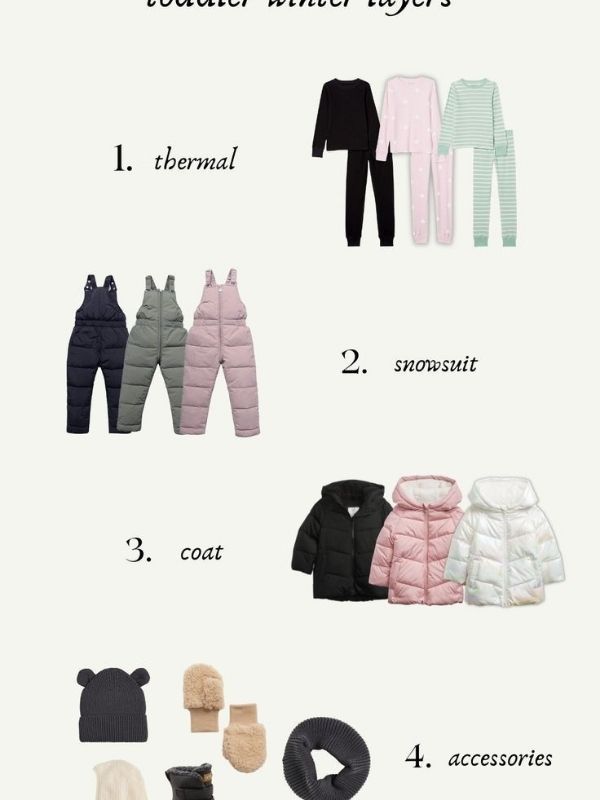
For example, your child might leave home wearing a long-sleeved shirt, sweater, and jacket. Later, if the weather becomes warmer, the jacket can come off. Similarly, if the temperature drops again, the jacket can easily go back on.
This makes layering both practical and convenient.
The best part is that layering does not need to be complicated. You can create comfortable outfits with clothes your child may already have. A simple T-shirt, long-sleeved top, cardigan, sweater, or jacket can become part of several different outfits.
More importantly, layering allows children to move freely. Kids spend their days walking, running, playing, sitting, climbing, and exploring. Therefore, their clothes should keep them warm while still giving them enough freedom to enjoy their activities.
Even if you are preparing your child’s school wardrobe or planning outfits for weekend adventures, these simple ideas can help.
10 Easy Layering Tips for Kids During Fall and Winter
Layering works best when every piece has a purpose. Instead of adding clothes simply because the weather feels cold, think about how each layer contributes to warmth, comfort, movement, or protection.
A good layered outfit usually starts with a comfortable base. Then, you can add a middle layer for extra warmth. Finally, an outer layer can provide protection from cold wind, rain, or other weather conditions.
However, not every child needs the same number of layers. A child who spends most of the day indoors may need fewer layers than one who walks to school or plays outside regularly.
Also, remember that children can have different comfort preferences. Some may enjoy wearing sweaters, while others prefer lighter layers. Therefore, use these ideas as a flexible guide rather than strict rules.
Check out our
Baby’s First Christmas Outfit Ideas
Best Matching Family Christmas Pajamas
Christmas Party Outfits for Kids
20 Christmas Outfits for Kids That Are Merry and Stylish
15 Cute Thanksgiving Outfits for Kids
1. Start With a Comfortable Base Layer

The first layer sits closest to your child’s skin, so comfort should be the main priority. A good base layer can make the rest of the outfit feel much better.
For fall, a simple cotton T-shirt can work well on milder days. When the temperature drops, switch to a long-sleeved shirt or another comfortable top.
The goal is to choose something that feels soft and allows movement. A base layer should not be overly tight or restrictive. After all, your child may spend several hours wearing it.
Cotton is a popular everyday choice because it feels comfortable and works well for many casual outfits. However, the best fabric will depend on your child’s preferences and the weather.
For particularly cold days, families may also choose specialized warm base layers. These can provide additional warmth without requiring several bulky garments.
Still, there is no need to overdo it. A simple base layer is often enough when combined with the right middle and outer layers.
Another advantage of starting with a simple base is versatility. A long-sleeved shirt can be worn under a sweater in the morning. Later, if the weather becomes warmer, the sweater can be removed.
That flexibility is one of the main reasons layering works so well.
When following 10 Easy Layering Tips for Kids During Fall and Winter, remember that the base layer should make the child feel comfortable rather than trapped under their clothing.
It is also useful to choose base layers that are easy to wash. Kids can get messy quickly, particularly at school or during outdoor play. Therefore, everyday pieces should be practical enough for regular use.
Parents can keep several basic tops in neutral colors, along with a few colorful options. This makes it easy to create different combinations without buying an entirely new wardrobe.
Please keep Reading….. Don’t stop here 
2. Add a Lightweight Middle Layer
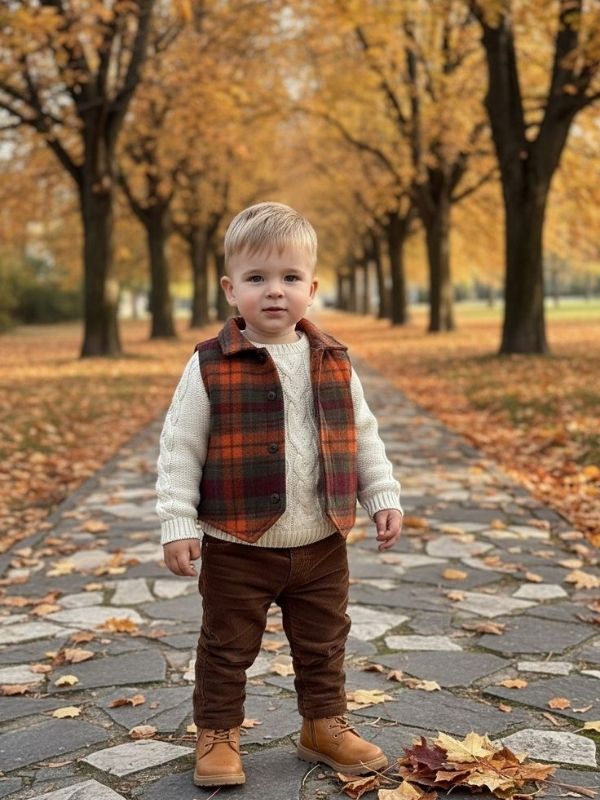
Once the base layer is ready, the next step is adding warmth without creating unnecessary bulk.
A lightweight sweater, cardigan, sweatshirt, or fleece top can work beautifully as a middle layer. These pieces add warmth while remaining easier to remove than a heavy coat.
This is especially useful during fall. Temperatures can change quickly, so children may need warmth in the morning but less clothing during the afternoon.
For example, a child could wear a long-sleeved shirt with a cardigan. If the day becomes warmer, the cardigan can be removed. If it becomes chilly again, it can easily be put back on.
Cardigans are particularly useful because they can be opened or removed quickly. Sweatshirts, meanwhile, offer a more relaxed look and can work well for school or casual outings.
When choosing a middle layer, pay attention to fit. A sweater should leave enough room for the child to move comfortably. At the same time, it should not be so oversized that it makes the outer jacket difficult to wear.
The middle layer can also add personality to an outfit.
A simple pair of jeans and a plain shirt can look completely different when paired with a colorful sweater. Likewise, a neutral cardigan can make patterned clothing look more balanced.
Therefore, this layer is both practical and stylish.
For parents who want to make mornings easier, keep a few reliable middle layers within easy reach. That way, you can quickly add warmth without spending too much time creating an outfit.
As part of 10 Easy Layering Tips for Kids During Fall and Winter, this step is especially useful for families dealing with unpredictable fall temperatures.
Check out our
12 Non-Scary Halloween Costumes for Kids
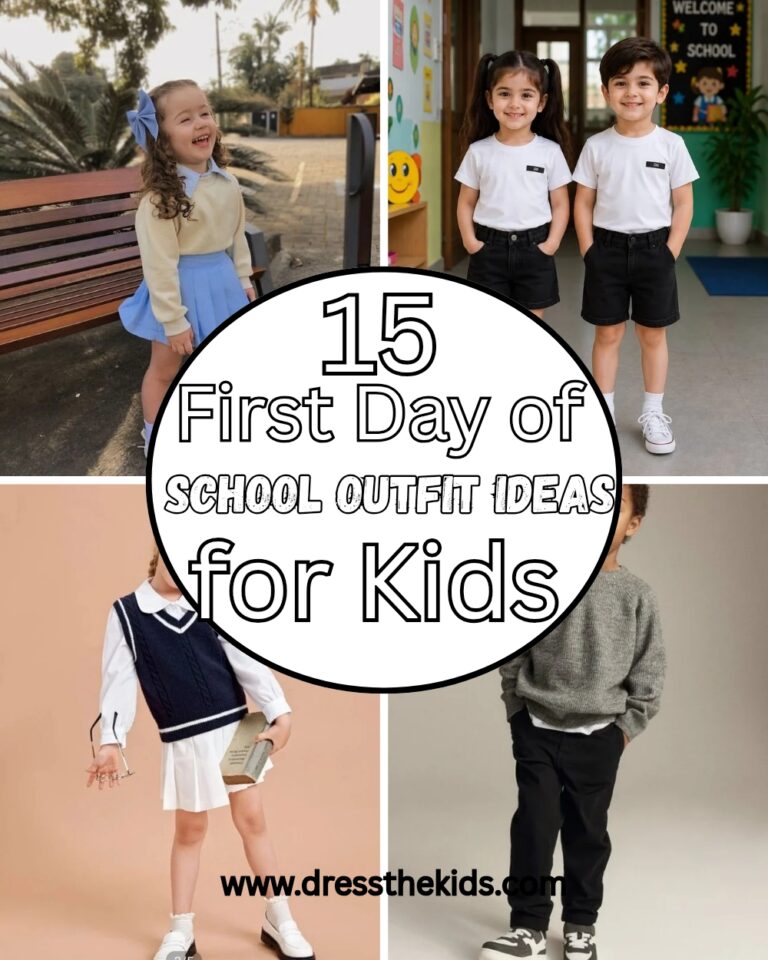
Best Backpacks for Kindergarten: How to Choose the Perfect One
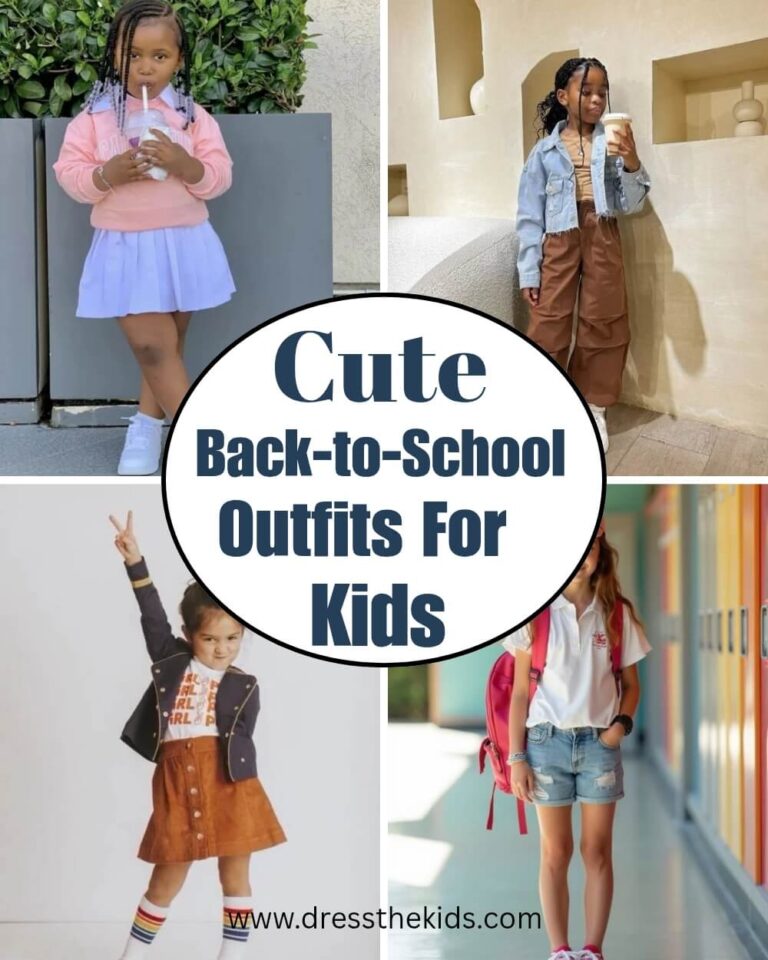
Cute Back-to-School Outfits for Kids
Best Back-to-School Accessories for Kids
Best Thanksgiving Dresses for Little Girls
Matching Family Thanksgiving Outfit Ideas
15 Cute Thanksgiving Outfits for Kids
3. Choose an Outer Layer That Matches the Weather

The outer layer is the final piece of protection. Unlike the middle layer, it needs to respond more directly to outdoor conditions.
A lightweight jacket may be enough during early fall. However, as temperatures fall, a warmer coat may become more appropriate.
Rainy days require a different approach. A waterproof or water-resistant jacket can help keep clothing underneath from becoming wet.
Cold and windy days may call for a warmer outer layer. Meanwhile, milder days may only require a light jacket.
The key is to avoid choosing one outer layer for every situation.
Instead, think about the day’s weather before your child leaves home.
If your child is going outside for only a few minutes, a lighter jacket may be enough. However, if they will spend a long time outdoors, you may need a warmer option.
The outer layer should also allow the other layers underneath to fit comfortably. A jacket that is too tight can make the entire outfit restrictive.
On the other hand, an excessively large coat can make movement awkward.
Look for a comfortable fit that leaves enough room for the layers underneath.
Zippers can also be useful because they are generally easy for children to manage. For younger kids, simple closures may make dressing and undressing easier.
When using 10 Easy Layering Tips for Kids During Fall and Winter, remember that the outer layer should protect the outfit underneath without making your child uncomfortable.
4. Use Different Textures to Make Outfits More Interesting
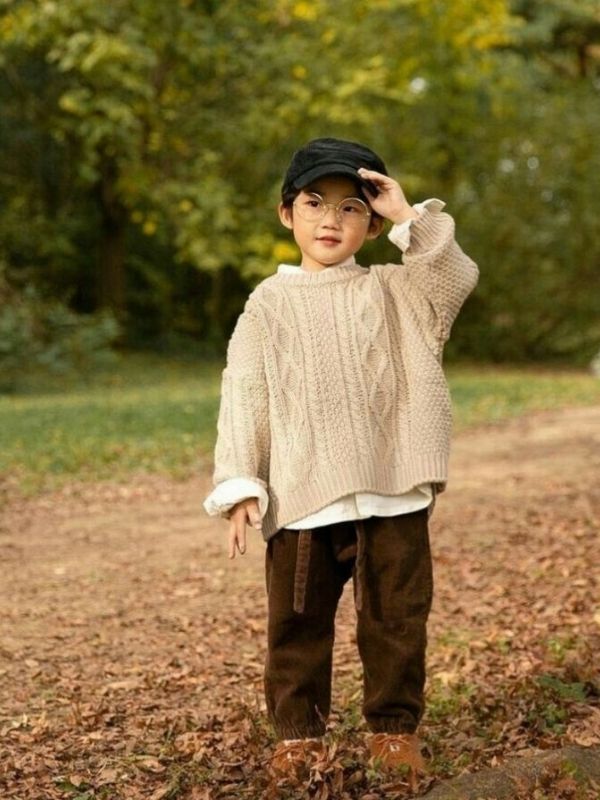
Layering is not only about warmth. It can also make children’s outfits more interesting.
Combining different textures can give a simple outfit more personality. For instance, a soft cotton shirt can be worn under a knitted cardigan. A smooth jacket can then finish the look.
You can also mix denim with softer fabrics or pair a fleece sweatshirt with comfortable cotton trousers.
The important thing is to make sure the textures feel comfortable together.
Some children are sensitive to certain fabrics. If a sweater feels scratchy or uncomfortable, adding another layer underneath may help. However, if the fabric continues to cause discomfort, replacing it may be a better choice.
Texture can also create visual variety without requiring bold patterns.
A neutral outfit can look more interesting when different fabrics are combined. Similarly, a colorful sweater can become the main feature of a simple layered look.
Fall and winter naturally lend themselves to cozy textures. Knits, fleece, cotton, corduroy, denim, and soft woven fabrics can all contribute to seasonal outfits.
However, comfort should always remain more important than appearance.
Children should be able to sit, walk, play, and stretch without feeling distracted by their clothes.
This is another important part of 10 Easy Layering Tips for Kids During Fall and Winter because successful layering should feel natural rather than complicated.
5. Keep the Bottom Half Comfortable Too
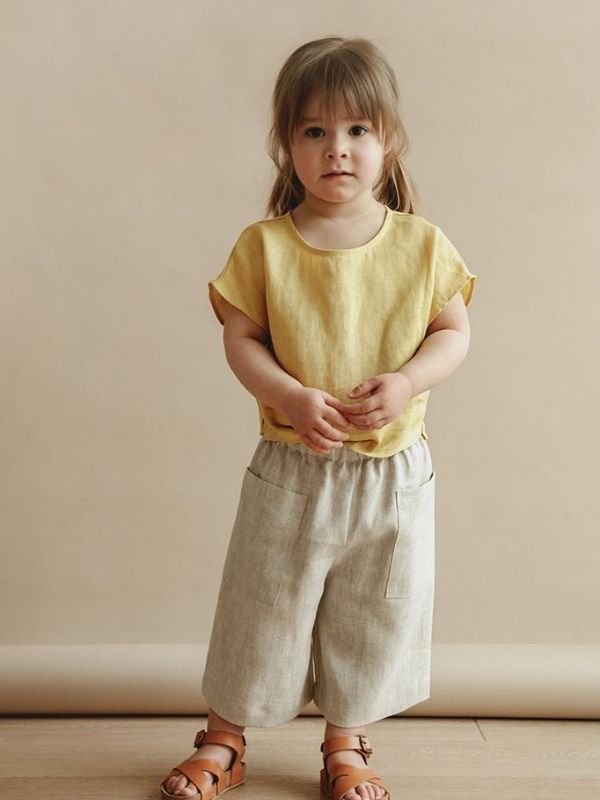
Parents often focus on layering tops and forget about the lower half of the outfit.
However, trousers, leggings, tights, and socks also contribute to comfort during colder weather.
On mild fall days, regular jeans, trousers, or leggings may be enough. As the temperature falls, warmer trousers or additional layers may become useful.
For children who wear dresses or skirts, tights can provide additional coverage during cooler weather. They can also change the appearance of an outfit without requiring an entirely different wardrobe.
Comfortable socks are equally important.
Cold feet can quickly make a child uncomfortable, especially when they spend time outdoors. Therefore, choose socks that work well with the child’s shoes and the weather.
However, avoid creating too much bulk inside shoes. If socks make footwear feel tight, the child may become uncomfortable during walking or play.
Shoes should also be appropriate for the conditions.
Sneakers may work well on dry days, while weather-resistant footwear may be more useful when the ground is wet or cold.
The same principle applies to trousers. Children need enough room to move freely.
Avoid layering so much that the lower half of the outfit becomes stiff or difficult to move in.
When applying 10 Easy Layering Tips for Kids During Fall and Winter, remember that a comfortable outfit should work from head to toe.
Check out our
Baby’s First Christmas Outfit Ideas
Best Matching Family Christmas Pajamas
Christmas Party Outfits for Kids
20 Christmas Outfits for Kids That Are Merry and Stylish
15 Cute Thanksgiving Outfits for Kids
6. Choose Colors That Are Easy to Mix and Match

Layering becomes much easier when most pieces in your child’s wardrobe work together.
You do not need every item to match perfectly. Instead, choose a few colors that can be combined in several ways.
Neutral colors such as navy, gray, cream, brown, black, or denim can provide a useful foundation. Then, brighter colors can be added through sweaters, shirts, jackets, or accessories.
For example, a pair of navy trousers can work with a yellow sweater, blue shirt, green cardigan, or patterned sweatshirt.
Similarly, a neutral cardigan can work with several different outfits.
This approach saves time because you do not have to search for a specific combination every morning.
It can also reduce unnecessary shopping.
Rather than buying a new outfit every time your child needs something different, you can add versatile pieces that work with clothes they already own.
Patterns can also be included. However, if an outfit contains a bold patterned piece, keeping the other layers relatively simple can create a balanced look.
For example, a patterned sweater can be paired with plain trousers and a simple jacket.
Alternatively, a colorful jacket can become the statement piece while the layers underneath remain neutral.
There are no strict rules here. Children can enjoy colors and patterns that reflect their personalities.
The purpose is simply to make dressing easier.
That is why 10 Easy Layering Tips for Kids During Fall and Winter should include color coordination as a practical strategy rather than treating it only as a fashion choice.
7. Make Jackets Easy to Remove
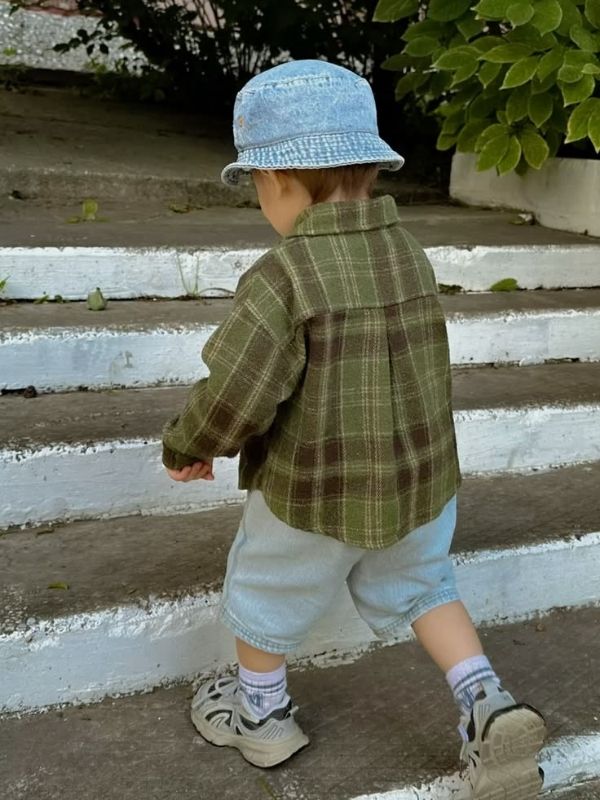
Children often move between different temperatures throughout the day.
They might walk outside in the morning, enter a warm classroom, go outside for recess, and return indoors again.
Therefore, jackets and outer layers should be easy to remove.
Zippers can be especially practical because children can learn to use them independently. Lightweight jackets can also be easier to carry when they are no longer needed.
For younger children, choose outerwear that they can manage with minimal assistance.
This encourages independence.
Instead of asking an adult every time they feel warm, children can gradually learn to recognize when they need to remove or put on a layer.
Of course, younger children may still need help and supervision.
The important thing is to make the process as simple as possible.
A jacket that requires complicated fasteners may become frustrating. Likewise, clothing that is difficult to remove can make bathroom breaks or indoor transitions harder.
Choose practicality over unnecessary details.
Another useful idea is to teach children where to keep their jackets. At school, they may have a designated hook or locker. At home, create a simple place where outerwear can be returned.
This can prevent jackets from being left on the floor or forgotten.
As you work through 10 Easy Layering Tips for Kids During Fall and Winter, think about how each clothing choice affects your child’s entire day, not just how the outfit looks when they leave home.
8. Avoid Too Many Bulky Layers
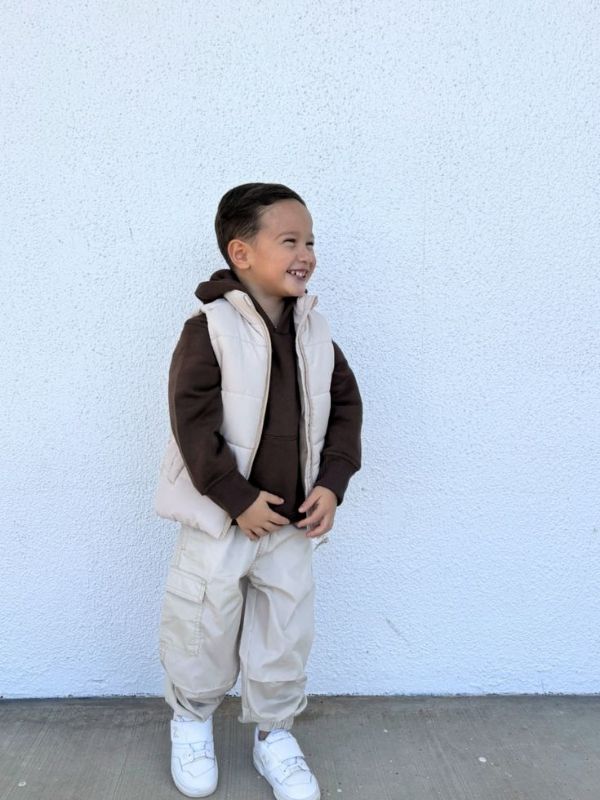
Layering does not mean adding as many clothes as possible.
Too many bulky pieces can make movement uncomfortable. Children may also struggle to put their arms through their coats or sit comfortably.
Instead, focus on a few useful layers.
A comfortable base layer, a warm middle layer, and an appropriate outer layer are often enough for many situations.
If your child is still cold, consider whether the layers are suitable for the weather rather than simply adding more clothing.
For example, replacing a thin sweater with a warmer middle layer may be more effective than adding another thin shirt.
The same applies to coats.
A properly designed cold-weather coat can provide more warmth than several ordinary layers that do not fit well together.
Comfort is also important for active children.
A child who is running around may feel warmer than a child who is sitting still. Therefore, the number of layers needed can change depending on the activity.
This is why it is helpful to check how your child actually feels instead of relying only on the temperature.
If they are sweating or constantly trying to remove layers, the outfit may be too warm.
On the other hand, if they are visibly uncomfortable from the cold, they may need another suitable layer.
The goal is balance.
This is one of the most useful lessons from 10 Easy Layering Tips for Kids During Fall and Winter: more clothing is not automatically better clothing.
9. Pack an Extra Layer for Unpredictable Days

Fall and winter weather can change quickly.
A morning may begin with cool temperatures, while the afternoon becomes milder. On another day, the weather may become colder than expected.
Because of this, carrying an extra layer can be extremely helpful.
For school-age children, a lightweight cardigan, sweatshirt, or jacket may fit inside a backpack, depending on the school’s rules and the available space.
For younger children, parents can keep an extra layer in a bag when heading out.
This small habit can prevent many uncomfortable situations.
For example, imagine leaving home on a cool morning and discovering that the afternoon is much warmer. Your child can remove the outer layer and remain comfortable.
Alternatively, if the temperature drops unexpectedly, the extra layer can provide additional warmth.
The same strategy works during family outings.
If you are going somewhere where your child may be outdoors for several hours, bringing an extra layer is usually a sensible choice.
You do not have to carry a heavy coat everywhere. A lightweight and foldable layer can often be enough.
This is particularly useful during early fall and spring-like winter days when the weather is difficult to predict.
As part of 10 Easy Layering Tips for Kids During Fall and Winter, keeping an extra layer nearby is one of the simplest ways to prepare for changing conditions.
10. Let Kids Have a Say in Their Layered Outfits
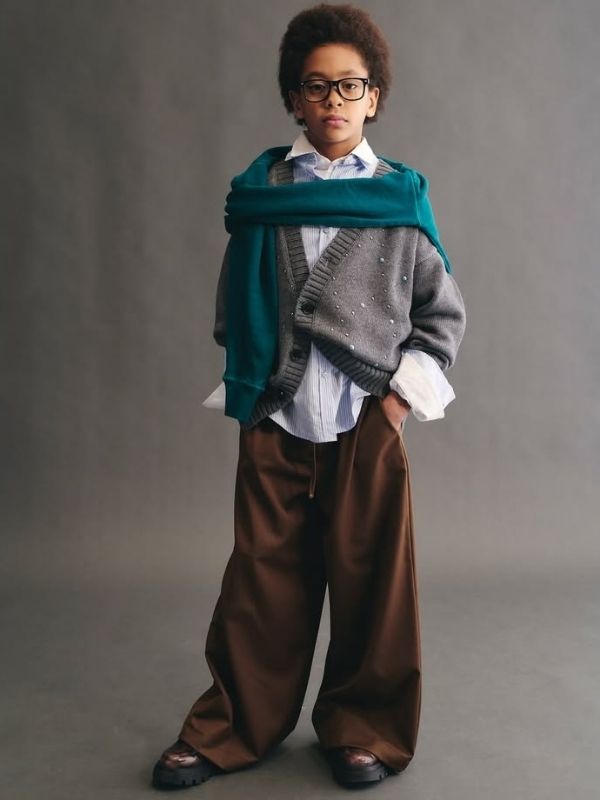
Children are more likely to enjoy getting dressed when they have some control over what they wear.
That does not mean they need to make every decision themselves.
Instead, parents can provide suitable choices.
For example, you can choose the weather-appropriate base layer and jacket. Then, your child can choose between two sweaters.
This gives them independence while keeping the outfit practical.
Older children can gradually learn to make more of these decisions themselves.
You can teach them to look outside, consider the weather, and think about what activities they will be doing.
For instance, a child going to the playground may need different layers from a child staying indoors.
Over time, they can learn that dressing appropriately is about more than choosing their favorite shirt.
They can also develop their own sense of style.
Maybe they prefer colorful sweaters. Perhaps they enjoy matching their shoes with their jacket. Another child may prefer simple neutral outfits.
Allowing these preferences can make clothing feel more personal.
At the same time, parents can guide children toward comfortable and weather-appropriate choices.
The final idea in 10 Easy Layering Tips for Kids During Fall and Winter is therefore about finding a balance between independence, comfort, and practicality.
Layering for School Days
School outfits need to balance comfort, weather, and practicality.
Children often spend part of the day indoors and another part outdoors. Therefore, outfits that can be adjusted are ideal.
A long-sleeved shirt under a sweater can work well on a cool morning. A jacket can be added for the trip to school.
Once inside, the jacket can be removed.
For physical education classes or outdoor activities, children may also need clothing that allows plenty of movement.
Always follow the school’s uniform or dress requirements when applicable.
Within those requirements, choose pieces that your child can comfortably manage.
You can also prepare outfits the night before.
Check the weather, select the layers, and place everything together.
This can save time during busy mornings.
Layering for Outdoor Play
Outdoor play requires practical clothing.
Children may sit on the ground, run around, climb equipment, or participate in sports.
Therefore, clothing needs to allow movement.
Choose flexible trousers, comfortable tops, and outerwear suitable for the weather.
For colder days, make sure the outer layer is appropriate for the conditions.
If the ground is wet, weather-resistant footwear may be useful.
If it is windy, an outer layer that helps protect against wind can make outdoor play more comfortable.
Also, keep an eye on how your child feels.
If they become too warm, they may need to remove a layer. If they become uncomfortable from the cold, they may need additional protection.
The best outfit is one that allows children to enjoy their activities without constantly thinking about their clothes.
Layering for Family Outings
Family outings can involve several different environments.
You might leave home in cool weather, spend time inside a restaurant or store, and then return outdoors later.
Layering makes these transitions easier.
Start with a comfortable base. Add a sweater or cardigan. Then bring a jacket that can be removed when necessary.
If the outing will last several hours, consider carrying an extra layer.
You can also choose clothes that are easy to manage.
A child who can remove a cardigan independently may be more comfortable than one who needs help every time they feel warm.
For younger children, pack an extra outfit as well if needed.
This can be useful when outings involve food, outdoor play, or other messy activities.
How to Make Layering More Affordable
Seasonal wardrobes can become expensive if every season means buying an entirely new collection.
Fortunately, layering can actually help reduce unnecessary spending.
Start by using what your child already owns.
A T-shirt does not suddenly become useless when fall arrives. It can become a base layer.
Likewise, a cardigan can work during fall, winter, and even cooler spring days.
Look for pieces that can serve several purposes.
Neutral colors can also make clothing easier to combine.
Instead of buying several outfits that only work together, choose versatile pieces that can be mixed and matched.
You can also check your child’s wardrobe before shopping.
Make a simple list of what they actually need.
If they already have several warm sweaters, buying another one may not be necessary.
Perhaps they need a suitable jacket instead.
Shopping with a plan can make seasonal clothing purchases much more intentional.
Helping Kids Learn to Layer Independently
Layering can become a useful life skill.
As children grow, teach them what different clothing pieces are for.
Explain that the base layer sits underneath other clothing. The middle layer provides extra warmth. The outer layer helps protect them from outdoor weather.
You can also teach them to notice how they feel.
If they feel too warm, they may need to remove a layer. If they feel cold, they may need to add one.
Of course, younger children will still need adult guidance.
However, giving them small responsibilities can gradually build independence.
For example, a child might be responsible for putting on their cardigan before leaving home. Later, they can learn to choose between two suitable sweaters.
Eventually, they may be able to prepare their entire outfit based on the weather.
This can make mornings easier for everyone.
Caring for Layered Clothing
Because children often wear several pieces at once, laundry can build up quickly.
A simple clothing-care routine can help.
Teach children to hang jackets instead of leaving them on the floor. Sweaters should be stored properly, and dirty clothing should go into the appropriate laundry basket.
Always follow the care instructions on clothing labels.
Some fabrics may require special washing methods.
Taking care of clothes can also help them last longer.
This matters particularly when you invest in quality outerwear or seasonal pieces.
You can also check clothing regularly for stains, loose buttons, damaged zippers, or other problems.
Repairing small issues early may help keep useful clothing in rotation.
What to Do When Kids Dislike Layers
Some children simply do not like wearing multiple layers.
If this happens, avoid turning dressing into a constant battle.
First, find out what they dislike.
Perhaps the sweater feels scratchy. Maybe the jacket is too heavy. Another possibility is that they feel restricted when several layers are worn together.
Once you understand the problem, you can look for alternatives.
A softer middle layer may feel better. A lightweight jacket might work instead of a bulky coat on milder days.
You can also give your child choices.
For example, let them choose between a cardigan and sweatshirt when both are suitable for the weather.
This gives them some control while keeping the outfit practical.
Remember that comfort preferences can vary widely.
What works perfectly for one child may not work for another.
The Importance of Proper Fit
Fit matters in every season, but it becomes especially important when clothing is layered.
A base layer should not feel uncomfortably tight.
A sweater should leave enough space for movement.
An outer jacket should accommodate the layers underneath without restricting the child’s arms.
Shoes should also fit comfortably with the socks your child will actually wear.
Children grow quickly, so check sizes regularly.
Do not rely only on the size printed on the label. Different brands can fit differently.
Instead, consider how the clothing actually fits your child.
If sleeves are becoming too short or trousers are uncomfortable, it may be time for a new size.
A well-fitting wardrobe makes layering much easier.
Creating Cute Outfits Without Overcomplicating Them
Layered outfits can be stylish without being complicated.
Start with a simple foundation.
For example, choose a plain long-sleeved shirt and comfortable trousers. Add a colorful sweater. Finish with a simple jacket.
Another option is a patterned shirt under a neutral cardigan.
For girls, a dress can be layered with tights, a cardigan, and comfortable shoes.
For boys, a button-up shirt can be worn under a sweater with trousers and sneakers.
These are only examples. Any child can wear colors, patterns, and styles they enjoy.
The goal is to create outfits that look coordinated while remaining comfortable.
Accessories can also add personality.
A colorful hat or fun scarf may become the finishing touch on a simple cold-weather outfit.
However, avoid adding accessories simply for appearance if they make movement difficult.
Frequently Asked Questions
How many layers should a child wear in fall?
There is no universal number because weather conditions and individual comfort vary. On a mild fall day, a child may only need a base layer and light jacket. On colder days, a sweater or cardigan can be added between the base and outer layer.
What is the best way to layer children’s clothes in winter?
Start with a comfortable base layer, add a warm middle layer, and finish with weather-appropriate outerwear. Adjust the number and thickness of layers based on the temperature, activity, and child’s comfort.
Should kids wear a sweater under a winter coat?
A sweater can be useful under a winter coat when additional warmth is needed. However, the combination should not be so bulky that it restricts movement or makes the coat difficult to wear.
How can I stop my child from getting too hot while wearing layers?
Choose removable layers and check how your child feels throughout the day. Lightweight middle layers can be easier to remove than very thick clothing. If your child becomes warm indoors, they can remove a jacket or sweater when appropriate.
How can I make layering easier for school mornings?
Prepare the outfit the night before and check the expected weather. Keep versatile sweaters, jackets, and other layers in an easy-to-reach place. As children get older, encourage them to participate in choosing appropriate layers.
Final Thoughts
Getting kids ready for fall and winter does not have to mean filling their closets with bulky clothing. With a thoughtful layering system, a small collection of versatile pieces can handle many different weather conditions.
The key is to start with comfort and build from there. A soft base layer creates a good foundation. A lightweight middle layer adds warmth. Then, an appropriate jacket or coat provides protection from outdoor conditions.
At the same time, remember that every child is different. Some children feel cold quickly, while others become warm as soon as they start running around. Therefore, pay attention to how your child responds to different temperatures.
The most useful 10 Easy Layering Tips for Kids During Fall and Winter approach is one that gives children enough warmth without making their clothes heavy or restrictive.
You can also make seasonal dressing easier by choosing colors that mix well, selecting comfortable fabrics, and keeping extra layers available for unpredictable days.
Most importantly, involve your child when possible. Let them choose between suitable options, express their personal style, and gradually learn how to dress according to the weather.
Remember, the goal of layering is not to create a complicated fashion statement. It is to help children stay comfortable while they learn, play, travel, and enjoy their day.
With the right approach, fall and winter dressing can become much easier. A few reliable layers can create plenty of outfit combinations, while thoughtful choices can help your child’s wardrobe remain comfortable, practical, and stylish throughout the colder months.
Ultimately, 10 Easy Layering Tips for Kids During Fall and Winter are less about following strict fashion rules and more about creating a flexible routine that works for real family life. When every layer has a purpose, children can adjust to changing temperatures without sacrificing comfort or their own sense of style.