What to Wear in Every Season: A Kids’ Fashion Guide
Getting kids dressed can feel surprisingly tricky when the weather keeps changing. One morning may be cool, while the afternoon becomes warm, and then a rainy evening can arrive without much warning. That is why What to Wear in Every Season: A Kids’ Fashion Guide can make everyday dressing much easier. Instead of guessing what your child should wear, you can build a simple wardrobe around the weather, comfort, activities, and the season ahead. With a few practical clothing choices, getting dressed can become quicker, easier, and much less stressful.
Kids need clothes that allow them to move, play, learn, rest, and explore. At the same time, their clothing needs to protect them from changing temperatures and different weather conditions. Therefore, seasonal dressing is not only about making an outfit look cute. It is also about choosing comfortable fabrics, useful layers, practical shoes, and pieces that can handle a busy day.
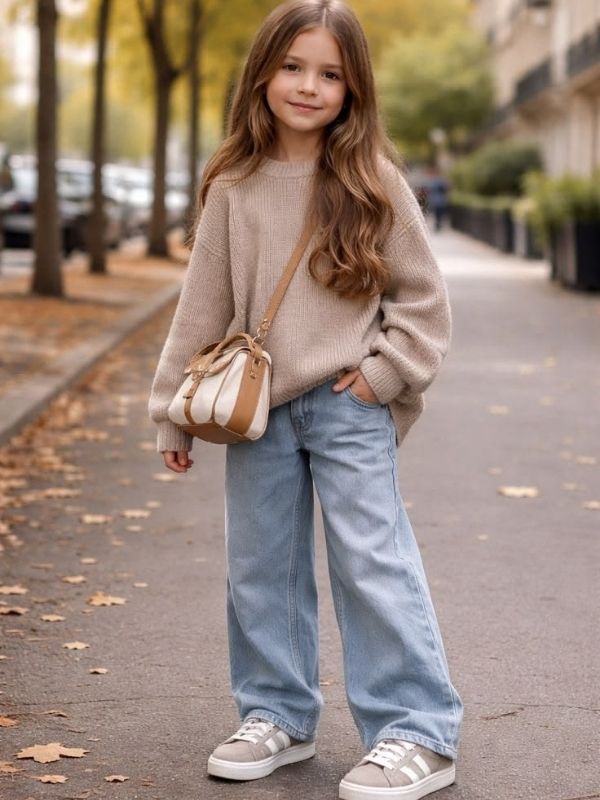
The good news is that you do not need a huge wardrobe for every season. A thoughtful collection of versatile clothes can work beautifully throughout the year. In addition, many pieces can be layered or reused in different ways.
So, whether you are preparing for a new school term, refreshing your child’s closet, or simply trying to make mornings easier, this guide will help you understand what works throughout the year.
Check out our
12 Must-Have Summer Fashion Essentials for Kids
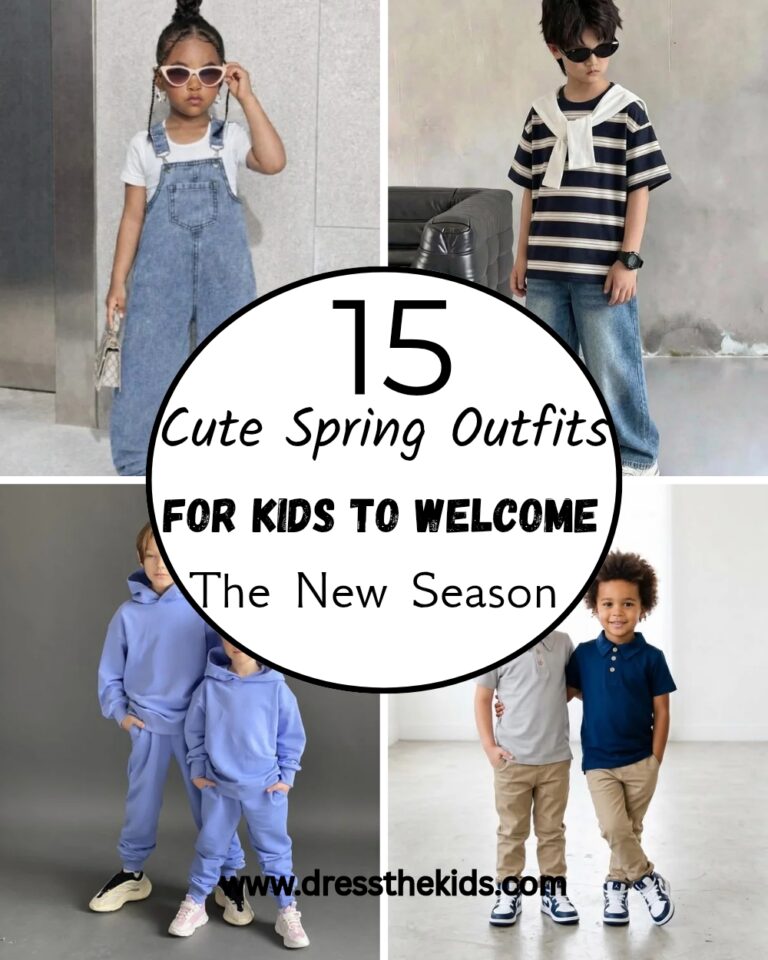
15 Cute Spring Outfits for Kids to Welcome the New Season
The Best Seasonal Accessories to Complete Your Child’s Outfit
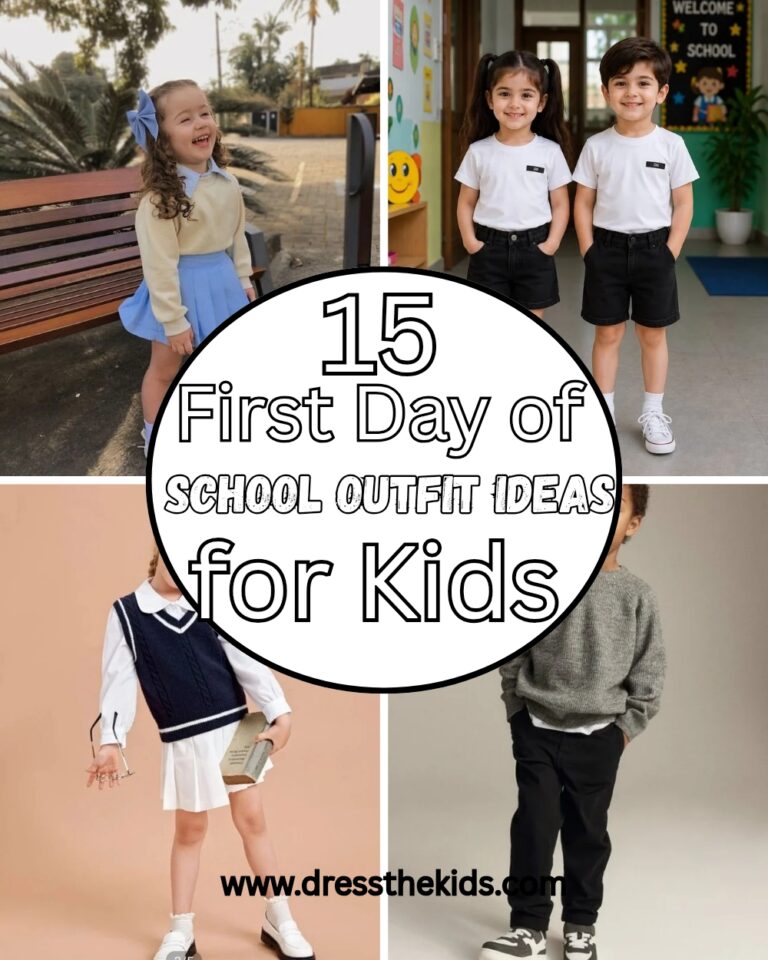
15 First Day of School Outfit Ideas for Kids
Toddler Jack Skellington Costume: The Perfect Halloween Look
15 Cute Halloween Outfits for Kids They’ll Love
15 Warm Winter Outfit Ideas for Kids
Why Seasonal Dressing Matters for Kids
Children are constantly moving. They run around the playground, sit in classrooms, ride in cars, play at home, attend activities, and spend time outdoors. Because of this, their clothing needs are slightly different from those of adults.
For example, a thick sweater might feel perfect during a chilly morning walk. However, it could become uncomfortable once a child starts running around indoors. Similarly, lightweight clothing may feel great on a sunny afternoon but offer little protection during a cool morning.
That is why layering is such an important part of children’s fashion.
Rather than choosing one heavy item, parents can combine several lighter pieces. A T-shirt can go under a cardigan, while a lightweight jacket can be added when needed. Later, if the temperature rises, one layer can be removed.
This approach also helps children become more independent. When clothes are easy to put on and take off, older children can learn to adjust their outfits according to how they feel.
Another benefit is versatility. A simple wardrobe can work across several months when pieces are combined differently. As a result, parents can avoid buying completely new clothes every time the weather changes.
When thinking about What to Wear in Every Season: A Kids’ Fashion Guide, remember that comfort should come before trends. A stylish outfit is lovely, but a child who cannot comfortably run, sit, stretch, or play will probably not enjoy wearing it.
What to Wear in Every Season: A Kids’ Fashion Guide
Spring: Light Layers and Fresh Colors
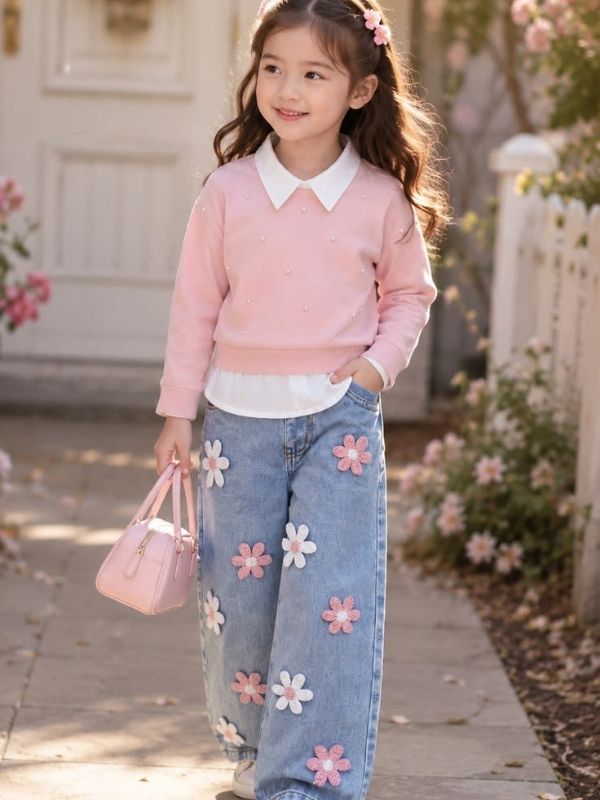
Spring can be one of the most unpredictable seasons for getting dressed. Some days feel warm and sunny, while others remain cool. Rain showers may also appear suddenly.
For that reason, spring is the perfect season for lightweight layers.
Start with comfortable basics such as cotton T-shirts, long-sleeved tops, leggings, jeans, joggers, or casual trousers. These pieces can be worn alone when the weather is warm. However, they can also be paired with another layer when temperatures drop.
A lightweight cardigan is particularly useful. It is easy to carry, simple to put on, and does not feel as heavy as a winter sweater. A denim jacket or light zip-up jacket can also work well for school days and casual outings.
Spring is also a great time to introduce brighter colors and playful patterns. Soft greens, cheerful yellows, light blues, pinks, and colorful prints can make everyday outfits feel fresh.
However, you do not need to make every item colorful. A neutral base can make it easier to create different combinations. For example, plain trousers can work with several bright tops.
Rain is another important consideration. A lightweight waterproof jacket can be useful on wet days. If your child spends a lot of time outdoors, waterproof footwear can also help keep their feet comfortable.
For sunny days, remember that comfort still matters. Breathable fabrics can help children stay comfortable when temperatures begin to rise.
When planning What to Wear in Every Season: A Kids’ Fashion Guide, spring is a good reminder that flexibility is often more useful than having a large number of clothes.
Spring Outfit Ideas for Everyday Life
For a school morning, a long-sleeved cotton top with comfortable trousers and a lightweight jacket can be an easy choice. If the afternoon becomes warmer, the jacket can come off.
For a weekend outing, try a simple T-shirt with jeans, sneakers, and a light jacket. This combination works for shopping, visiting family, or spending time outdoors.
On a rainy day, a long-sleeved top, comfortable trousers, waterproof jacket, and practical shoes can provide a little extra protection.
The goal is not to create complicated outfits. Instead, focus on combinations that can adapt to changing weather.
You may also like
Best Thanksgiving Dresses for Little Girls
12 Non-Scary Halloween Costumes for Kids
Family Halloween Costume Ideas with Kids
Best Halloween Accessories for Kids in 2026
11 Adorable Toddler Halloween Costume Ideas
Best Sun Hats for Kids: How to Choose the Right One for Every Adventure
Please keep Reading….. Don’t stop here 
Summer: Keep Kids Cool and Comfortable

Summer dressing is usually about keeping children cool without making their outfits boring. Since kids often spend more time outdoors during warm weather, breathable clothing becomes especially important.
Cotton is a popular choice because it feels light and comfortable. Loose-fitting tops, shorts, skirts, lightweight dresses, and breathable trousers can all be useful.
However, dressing for summer does not mean every outfit has to be extremely short or minimal. Children can still wear lightweight clothing that provides comfortable coverage.
For outdoor activities, a lightweight hat can help provide shade. Sunglasses designed for children may also be useful in bright conditions. Most importantly, children should have access to shade and water during hot weather.
When choosing summer shoes, look for comfortable options that allow natural movement. Depending on the activity, sneakers, breathable closed shoes, or secure sandals may work well.
Avoid choosing shoes simply because they look fashionable. If a child is going to spend hours running around, the shoes need to be suitable for movement.
Summer is also a great season for easy outfits. A lightweight dress can be paired with comfortable shoes and a simple layer for cooler indoor spaces. Likewise, shorts can be combined with different T-shirts to create several outfits without much effort.
In What to Wear in Every Season: A Kids’ Fashion Guide, summer is all about finding the balance between style, breathability, comfort, and protection.
What Kids Can Wear on Hot School Days
School clothing policies will vary, so always follow the school’s requirements first. Within those rules, choose breathable materials whenever possible.
Lightweight shirts, comfortable shorts or trousers, breathable socks, and supportive shoes can make a school day easier. If classrooms use strong air conditioning, a light cardigan or sweater may also be useful.
For younger children, choose clothing that is easy to manage independently. Complicated buttons, difficult fasteners, and uncomfortable waistbands can turn simple routines into frustrating moments.
Summer Clothes for Outdoor Play
Outdoor play requires practical clothing. Choose pieces that allow children to run, climb, jump, and sit comfortably.
A lightweight T-shirt with shorts and supportive sneakers can work well for many activities. For messy play, choose clothes that you will not worry about getting stained.
That is another reason basic summer pieces are so useful. They can handle playground adventures while still looking neat enough for everyday wear.
Baby’s First Christmas Outfit Ideas
Best Matching Family Christmas Pajamas
Christmas Party Outfits for Kids
20 Christmas Outfits for Kids That Are Merry and Stylish
15 Cute Thanksgiving Outfits for Kids
Autumn: The Season for Smart Layering

Autumn brings cooler mornings, changing temperatures, and plenty of opportunities for layered outfits. It is often one of the easiest seasons to make children’s wardrobes interesting because several types of clothing can work together.
Long-sleeved tops are excellent starting pieces. Add jeans, leggings, trousers, or comfortable skirts depending on the outfit and weather.
A cardigan, sweatshirt, lightweight sweater, or jacket can then be added. As temperatures fall, a warmer coat may become necessary.
Autumn colors can also add variety. Browns, rust tones, deep greens, warm neutrals, navy, burgundy, and muted yellows can create a cozy seasonal feel. Still, there is no need to limit children to traditional autumn colors. Their favorite bright shades can easily be mixed into the wardrobe.
Layering is especially useful for children who move between indoor and outdoor spaces. A child may need a jacket outside but feel comfortable without it indoors.
When considering What to Wear in Every Season: A Kids’ Fashion Guide, autumn teaches an important lesson: a good outfit should be easy to adjust throughout the day.
Easy Autumn Combinations
A long-sleeved top, jeans, sneakers, and cardigan can create a simple school outfit.
For a cooler day, add a warmer jacket and socks that provide additional comfort.
For weekends, a sweatshirt with joggers and sneakers can offer plenty of freedom for movement.
Girls may enjoy pairing dresses with tights and cardigans as the weather cools. Boys can combine comfortable trousers with long-sleeved shirts and lightweight sweaters. Of course, these are only suggestions. Children can wear whichever combinations make them feel comfortable and confident.
Winter: Warmth Comes First
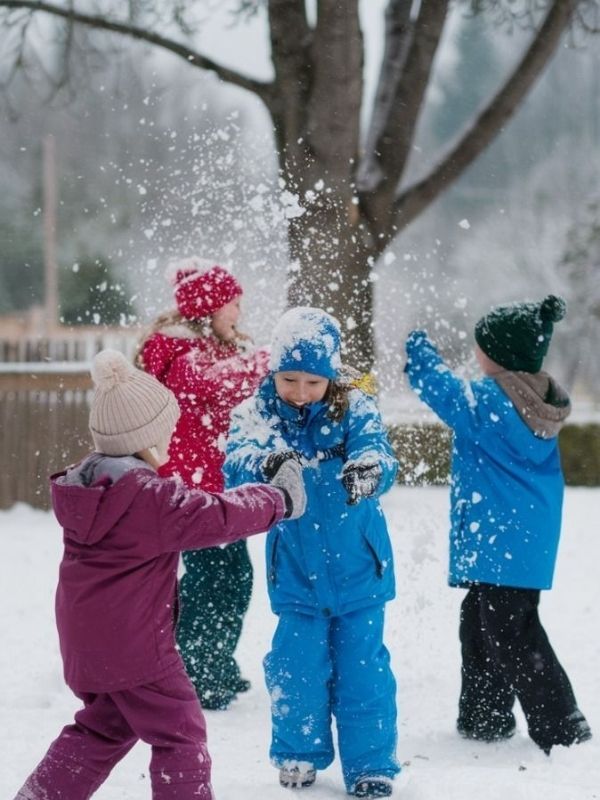
Winter requires more planning because cold temperatures can make children uncomfortable quickly. The best winter wardrobe focuses on warmth, layering, and practical outerwear.
Start with comfortable base layers. Long-sleeved tops, warm leggings, trousers, and thermal pieces can help children stay comfortable when temperatures fall.
Next, add sweaters, sweatshirts, or cardigans. Finally, choose a suitable coat or jacket for outdoor conditions.
Warm socks are also important. Depending on the weather, children may need boots or other weather-appropriate footwear.
Accessories can provide extra warmth. Hats, scarves, and gloves may be useful in colder conditions. For younger children, make sure accessories are suitable for their age and the activities they will be doing.
Winter does not mean children have to wear dull outfits. You can still use colors, patterns, cute prints, and fun accessories. The trick is to make the warm pieces part of the overall outfit.
For example, a colorful sweater can become the main feature of a simple winter look. A patterned hat can also add personality without making the outfit complicated.
The central idea behind What to Wear in Every Season: A Kids’ Fashion Guide is simple: seasonal fashion should protect children while allowing them to be themselves.
Dressing for Cold School Mornings
School mornings can be particularly challenging during winter. Children may leave home when temperatures are low and then spend several hours inside a heated classroom.
Layering can solve much of this problem.
A comfortable long-sleeved base layer can go underneath a sweater. A warm coat can then be added for the journey to school. Once inside, the outer coat can be removed.
For children who walk to school or wait for transportation outdoors, warm socks and weather-appropriate shoes can make the journey more comfortable.
Remember to label coats, hats, and other commonly misplaced items if your child is likely to leave them behind.
Dressing Kids for Rainy Weather
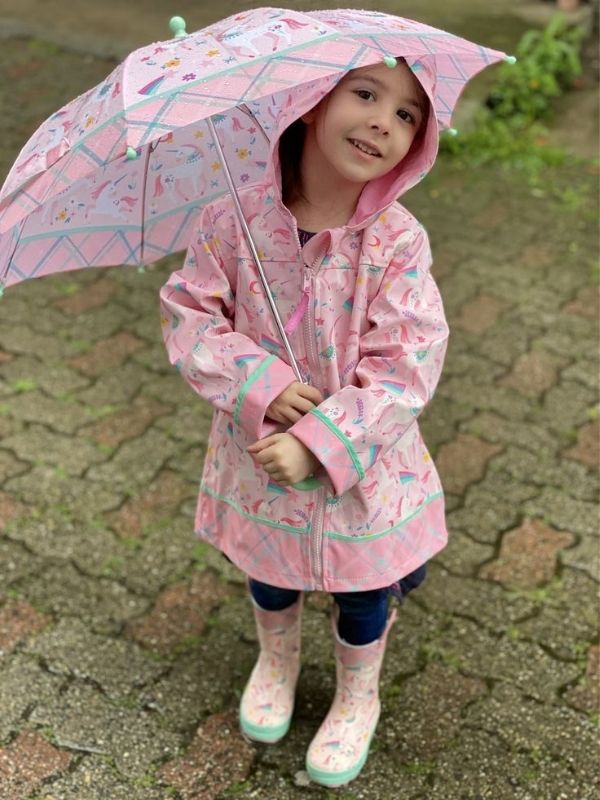
Rain can happen during almost any season, so rainy-day clothing deserves its own place in a child’s wardrobe.
A waterproof jacket is one of the most useful pieces. Depending on the weather, waterproof trousers or other protective layers may also be helpful for outdoor activities.
Shoes matter too. Wet feet can quickly make a child uncomfortable. Choose footwear appropriate for the conditions and make sure it fits properly.
For school, keep practicality in mind. A rain jacket that is easy to put on is often more useful than a complicated outer layer.
Bright colors can also make rainy outfits more cheerful. A colorful raincoat or patterned boots can turn a gloomy day into something a little more fun.
When using What to Wear in Every Season: A Kids’ Fashion Guide as a wardrobe reference, think beyond temperature. Rain, wind, sunlight, and planned activities all affect what children need to wear.
Check out our
12 Non-Scary Halloween Costumes for Kids
Best Backpacks for Kindergarten: How to Choose the Perfect One
Cute Back-to-School Outfits for Kids
Best Back-to-School Accessories for Kids
Best Thanksgiving Dresses for Little Girls
Matching Family Thanksgiving Outfit Ideas
15 Cute Thanksgiving Outfits for Kids
Choosing the Right Fabrics for Kids
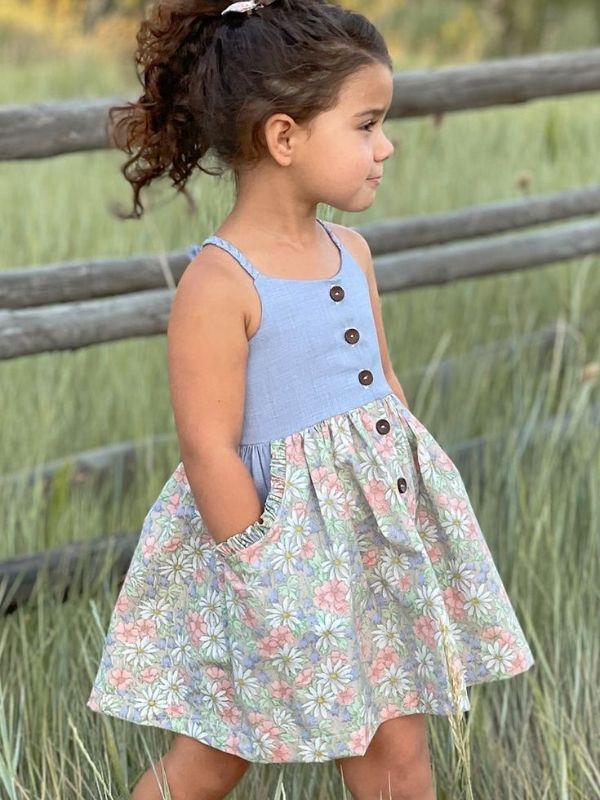
The fabric of an outfit can make a huge difference to comfort.
Cotton is a common choice for everyday clothing because it is soft and breathable. Lightweight fabrics can be useful during warm weather, while thicker fabrics may provide more warmth during colder months.
However, every child is different. Some children may be sensitive to certain textures or seams. Therefore, pay attention to what your child actually enjoys wearing.
Check labels and choose fabrics that feel comfortable against the skin. If your child frequently complains about scratchy sweaters, stiff materials, or uncomfortable seams, those pieces may not be worth keeping in regular rotation.
Softness is particularly important for younger children because uncomfortable clothing can distract them during school or play.
At the same time, durability matters. Kids can be rough on clothing. They may crawl, climb, spill food, play outdoors, and get messy.
Therefore, the best children’s wardrobe often combines comfort with durability.
Choosing Clothes That Allow Movement
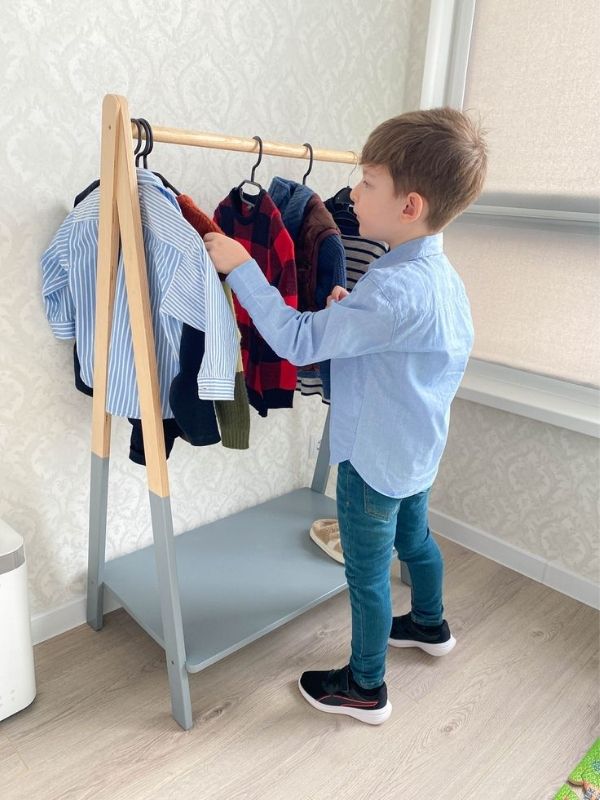
Children should be able to move naturally in their clothing.
Tight waistbands, stiff trousers, overly restrictive sleeves, or shoes that pinch can make everyday activities harder. Instead, look for clothes that allow plenty of comfortable movement.
Stretchy fabrics can be useful for active children. Joggers, leggings, soft trousers, and flexible tops can work well for play and casual days.
Even dressier clothing should allow some freedom of movement. A child attending a family celebration may want to run around with cousins after the formal part of the event.
That is why What to Wear in Every Season: A Kids’ Fashion Guide should always include one major rule: clothes need to work for real childhood, not just look good in photographs.
Building a Small but Versatile Kids’ Wardrobe

You do not need dozens of outfits to dress a child well.
Instead, focus on versatile pieces that can be combined in different ways.
Neutral trousers can work with several tops. A simple cardigan can be worn over dresses, shirts, or T-shirts. A lightweight jacket can transition between seasons. Comfortable sneakers can work with casual outfits across much of the year.
This approach makes mornings easier because you have fewer pieces that do not work together.
It can also reduce unnecessary spending. Rather than buying every new trend, you can add a few seasonal pieces when needed.
A useful wardrobe should contain everyday basics, a few weather-specific items, comfortable shoes, and a small selection of special-occasion clothing.
As children grow quickly, it also helps to avoid buying too many items far in advance. A wardrobe should reflect their current size and current needs.
How to Dress Kids for Special Occasions

Special occasions may require slightly dressier clothing, but comfort should still be considered.
For a family celebration, children can wear a smart dress, button-up shirt, trousers, a coordinated set, or another outfit suitable for the event.
If the event takes place during cooler weather, add a cardigan, blazer, sweater, or suitable jacket.
For warm-weather events, choose breathable fabrics and avoid overly heavy layers.
Shoes should also be comfortable enough for standing and walking. Children may spend much longer in their formal clothes than expected, so practical choices can prevent unnecessary complaints.
Accessories can add personality without making an outfit uncomfortable. A simple hair accessory, watch, hat, or small bag can complete a look depending on the occasion.
How to Dress Kids for School
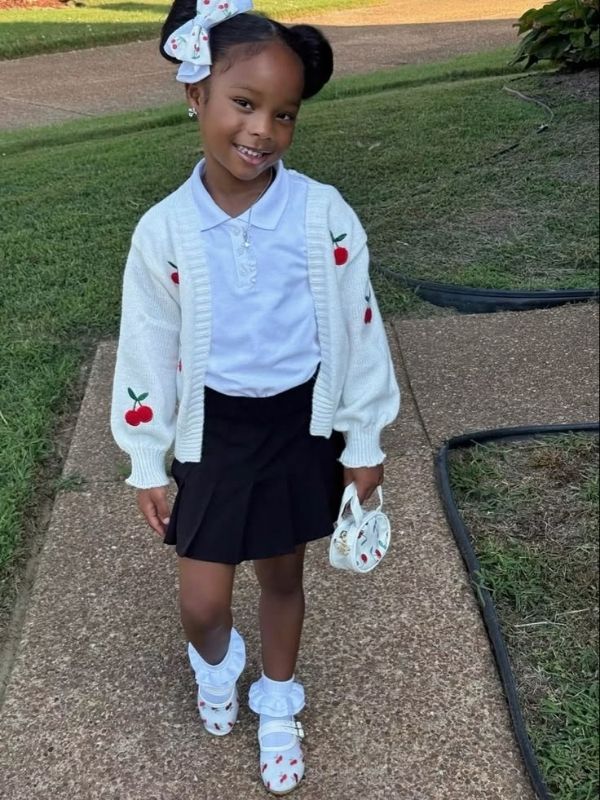
School clothing needs to survive a busy day.
Children may sit at desks, play during breaks, participate in physical activities, and move between different rooms. Therefore, school outfits should be comfortable and practical.
Always follow the school’s dress code when one exists. Then, within those guidelines, choose fabrics and styles that allow movement.
For younger children, easy fasteners can be especially helpful. Clothes that they can manage independently can make bathroom breaks and changing for activities easier.
It is also smart to consider the weather when preparing school clothes. A cool morning may require an extra layer, while a warmer afternoon may not.
This is another reason What to Wear in Every Season: A Kids’ Fashion Guide works best when it is treated as a flexible framework rather than a strict set of rules.
Dressing Siblings for Different Weather Preferences

Siblings do not always feel the same way about the weather.
One child may feel cold quickly, while another may feel warm. One may love sweaters, while another prefers lighter layers.
Instead of forcing everyone into identical outfits, pay attention to individual comfort.
The same basic wardrobe can still work. One child may wear a T-shirt with a cardigan, while another wears the same T-shirt with a jacket.
Matching is fun when children enjoy it, but coordinated outfits do not need to be identical. Similar colors or patterns can create a connected look without making every child wear exactly the same thing.
Making Seasonal Dressing Easier in the Morning

Busy mornings become easier when clothing decisions are made ahead of time.
Check the weather the night before and think about the day’s activities. Then choose clothes that make sense for both.
Keep frequently worn pieces easy to reach. Store off-season clothing separately when possible so the wardrobe does not become overcrowded.
For younger children, you can prepare a few complete outfits in advance. This gives them choices while keeping the morning routine manageable.
Older children can gradually take more responsibility. They can check the weather, choose appropriate layers, and prepare their clothes before bedtime.
Teaching these habits early can make getting dressed much easier over time.
What to Do When the Weather Changes Suddenly
Weather does not always follow the calendar.
A spring day can feel like summer. An autumn morning can feel like winter. A warm afternoon can become chilly by evening.
Because of this, it helps to keep one extra layer nearby.
For school, a lightweight cardigan or jacket can stay in a backpack or classroom if the school’s rules allow it. For family outings, bringing an extra layer can prevent discomfort later.
The same principle works in every season. Flexibility is more useful than trying to predict the weather perfectly.
With What to Wear in Every Season: A Kids’ Fashion Guide, the goal is not to create a perfect outfit for every possible temperature. Instead, it is to teach families how to adjust clothing as conditions change.
Choosing Shoes for Every Season
Shoes deserve just as much attention as clothing.
Children need footwear that fits properly and suits their activities. A shoe that looks adorable but causes discomfort is not a useful choice.
For warm weather, breathable shoes or secure sandals may work depending on the activity. Sneakers are useful for everyday play and school. During wet weather, water-resistant options can help. In colder conditions, warm footwear may be more appropriate.
Children’s feet grow, so check shoe fit regularly. Do not assume that a pair still fits simply because it looked comfortable a few months earlier.
Also consider socks. The right socks can improve comfort and help shoes fit more naturally.
Accessories That Actually Help
Accessories can make seasonal dressing more practical.
Hats can provide shade during sunny weather and warmth during colder weather. Gloves can be useful when temperatures fall. Lightweight scarves may provide an extra layer in some situations.
However, accessories should not make it difficult for children to move or participate in activities.
Choose practical items that children can manage easily. If an accessory is constantly falling off, causing discomfort, or getting in the way, it may not be worth using.
For younger children especially, safety and practicality should always come before appearance.
Common Kids’ Fashion Mistakes to Avoid
One common mistake is dressing children according to the calendar rather than the actual weather.
Just because it is officially autumn does not mean a child needs a heavy sweater every day. Similarly, the beginning of spring does not guarantee warm temperatures.
Another mistake is buying too many clothes in one size. Children grow quickly, and some pieces may barely get worn.
Choosing uncomfortable fabrics is another problem. If a child dislikes how something feels, they are unlikely to reach for it.
Parents can also make the mistake of focusing too heavily on trends. Fashion trends come and go, but comfortable basics remain useful.
Finally, avoid creating outfits that are too complicated for everyday life. The best children’s clothing is often simple, comfortable, and easy to combine.
How to Make Kids Part of the Dressing Process
Children can learn a lot by participating in clothing choices.
Instead of deciding everything for them, offer two or three suitable options. For example, you might choose the weather-appropriate layers and then let your child select between two tops.
This gives children some control while keeping the choices practical.
As they grow older, they can learn how to identify basic weather conditions and choose suitable clothing.
You can teach them simple questions such as whether they need a jacket, whether their shoes are suitable for rain, or whether they need an extra layer.
This creates useful life skills without turning getting dressed into a stressful task.
A Simple Seasonal Wardrobe Strategy
A practical seasonal wardrobe can be organized around three categories: everyday basics, weather layers, and special pieces.
Everyday basics include comfortable tops, trousers, shorts, leggings, dresses, and other pieces your child wears regularly.
Weather layers include jackets, sweaters, cardigans, coats, rainwear, hats, and other seasonal items.
Special pieces include clothing for birthdays, celebrations, holidays, family photos, and other events.
This structure keeps the wardrobe manageable.
At the beginning of each season, look through the clothes your child already owns. Remove anything that no longer fits or feels comfortable. Then identify genuine gaps.
Perhaps your child needs another lightweight jacket. Maybe their rain shoes no longer fit. Or perhaps they already have enough sweaters and do not need another one.
This simple check can prevent unnecessary shopping.
Creating Outfits That Grow With the Seasons
Some clothing pieces can work across multiple seasons.
A simple T-shirt can be worn alone during summer and layered under a cardigan during spring or autumn.
A dress can be worn with sandals in warm weather and paired with tights and a cardigan when temperatures drop.
Jeans can work throughout much of the year when paired with different tops and layers.
This versatility makes a wardrobe more useful and can help families save money.
When considering What to Wear in Every Season: A Kids’ Fashion Guide, think about how each item can be used beyond a single season.
How to Handle Clothing for Growing Kids
Children outgrow clothes quickly, so buying thoughtfully is important.
Before purchasing new pieces, check what still fits. Look at sleeves, trouser lengths, waistbands, and shoe sizes.
Some children grow gradually, while others seem to change sizes overnight.
Avoid buying an excessive amount of clothing in advance. Instead, purchase according to current needs and expected weather.
When possible, choose versatile items that can work with several outfits. This makes each purchase more useful.
Hand-me-downs can also be helpful when the clothing is clean, comfortable, and in good condition. However, do not keep clothes simply because they were expensive or barely worn. If they no longer fit, they are no longer serving their purpose.
A Seasonal Approach to Kids’ Fashion on a Budget
Seasonal dressing does not have to be expensive.
Start with the basics you already have. Then add only the pieces that are genuinely missing.
Shopping end-of-season sales can sometimes help, although it is important not to buy too far ahead because children’s sizes can change.
Neutral pieces are particularly useful because they can be paired with different colors and patterns.
You can also refresh an outfit with a small accessory rather than replacing the entire look.
For example, a new cardigan can give several existing outfits a different appearance.
The goal is to build a wardrobe that works hard rather than one that simply takes up space.
Teaching Children to Care for Their Clothes
A good wardrobe lasts longer when children learn basic clothing-care habits.
Teach them to put dirty clothes in the appropriate place instead of leaving them on the floor. Show them how to hang jackets and return clean clothes to their drawers.
Older children can learn simple laundry habits as well, depending on their age and family routine.
These small habits make it easier to see which clothes are actually being used.
They can also help children understand that clothing needs care. A favorite shirt can last longer when it is treated properly.
When Comfort and Style Meet
Children’s fashion does not have to choose between comfort and style.
A comfortable outfit can still look polished. A simple combination of well-fitting basics, coordinated colors, and one fun detail can create an attractive look without making the child uncomfortable.
For example, a plain top with patterned trousers can create interest. A simple dress with a cardigan can feel both practical and stylish. Sneakers can make a smart-casual outfit feel more relaxed.
The best style often comes from small details rather than complicated outfits.
Frequently Asked Questions
What should kids wear when the weather changes throughout the day?
Layering is usually the easiest solution. Start with a comfortable base layer and add a cardigan, sweater, or jacket that can be removed when temperatures rise. This gives children flexibility without requiring a complete outfit change.
How many seasonal clothes does a child really need?
There is no single number that works for every family. A smaller wardrobe of versatile basics can be more useful than a large collection of clothes that do not coordinate. Consider your child’s school schedule, laundry routine, activities, weather, and how quickly they grow.
What fabrics are best for children’s everyday clothing?
Breathable and comfortable fabrics are generally useful for everyday wear. Cotton is a popular choice, although the best fabric depends on the season and your child’s individual comfort. Always pay attention to texture, seams, and fit.
Should children wear layers in winter?
Layering can be useful because it allows children to adjust their clothing when moving between cold outdoor areas and warmer indoor spaces. A comfortable base layer, warm middle layer, and suitable outer layer can provide flexibility.
How can I make seasonal dressing easier?
Keep the wardrobe organized, check the weather before choosing clothes, and make sure frequently worn pieces are easy to reach. Preparing outfits the night before can also save time during busy mornings.
Final Thoughts
Getting children dressed for changing weather does not need to become a daily struggle. Once you understand how different seasons affect comfort, you can create a wardrobe that is simple, practical, and easy to manage.
Spring calls for flexible layers. Summer focuses on breathable clothing and staying cool. Autumn is perfect for comfortable combinations that can be adjusted throughout the day. Winter requires warmth, thoughtful layering, and weather-appropriate outerwear. Rainy days need practical protection, while unpredictable weather calls for flexibility.
The most useful What to Wear in Every Season: A Kids’ Fashion Guide approach is to think about the child first. Consider how they will move, where they will go, how long they will be outside, and what the weather is actually doing.
You do not need a closet filled with expensive or trendy pieces. Instead, choose comfortable basics, useful layers, practical footwear, and a few fun items that let your child’s personality show.
Most importantly, remember that children’s clothing should support childhood. Kids should be able to play, learn, explore, laugh, run, and relax without constantly thinking about what they are wearing.
A well-planned wardrobe makes that possible.
With What to Wear in Every Season: A Kids’ Fashion Guide, dressing for the year becomes less about guessing and more about having simple choices that work. Once those choices are in place, busy mornings can feel calmer, seasonal shopping can become more intentional, and children can enjoy clothes that keep up with them wherever the day takes them.
And that is really what good kids’ fashion should do: make life easier while leaving plenty of room for fun.