How to Build a Seasonal Capsule Wardrobe for Kids
Disclosure: Some of the links in this post are affiliate links. This means if you click on the link and purchase an item, I will receive an affiliate commission at no extra cost to you. All opinions remain my own. I only recommend products or services I believe will add value to my readers.
Kids grow quickly, get messy quickly, and somehow manage to need three different outfits before breakfast is even over. Because of that, having a closet packed with clothes does not always make getting dressed easier. In fact, too many choices can make mornings feel more stressful. Learning How to Build a Seasonal Capsule Wardrobe for Kids can help you create a smaller, more useful collection of clothes that works together, suits the weather, and gives your child plenty of outfit options without filling every drawer.
A capsule wardrobe does not mean your child needs to wear the same few outfits every week. Instead, it means choosing a thoughtful group of clothing pieces that can be mixed, matched, layered, and worn in different ways. As the season changes, you can also switch a few items rather than completely replacing the entire wardrobe.
The best part
Is that this approach can save time, reduce unnecessary shopping, and make laundry easier to manage. It can also help children become more independent because they can see simple outfit combinations without feeling overwhelmed by a crowded closet.
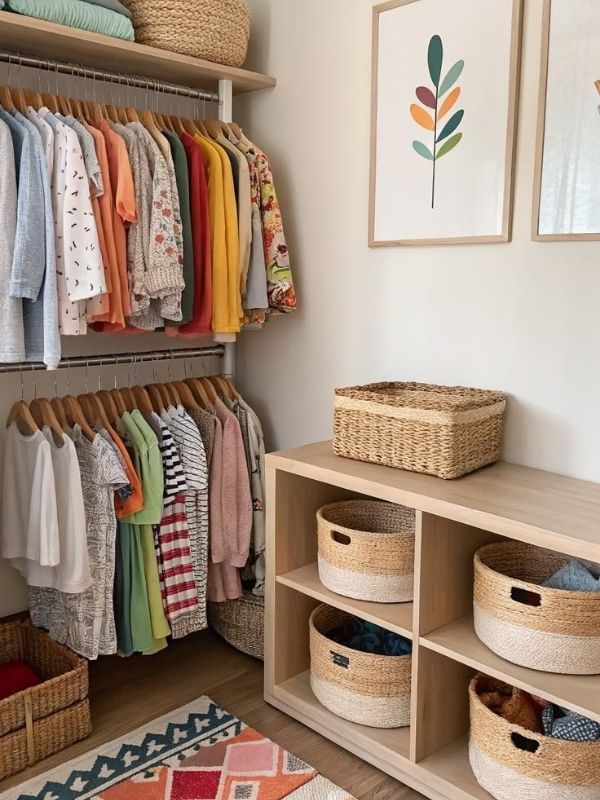
So, even you are preparing for a chilly fall, a cold winter, a fresh spring, or a warm summer, you can create a practical capsule wardrobe with a simple plan. You do not need expensive clothes, designer labels, or a huge shopping budget. You simply need the right pieces in useful colors, comfortable fabrics, and suitable styles.
This guide walks you through the process step by step. By the end, you will know what to keep, what to remove, what to buy, and how to make each piece work harder throughout the season.
You may also like
Best Thanksgiving Dresses for Little Girls
12 Non-Scary Halloween Costumes for Kids
Family Halloween Costume Ideas with Kids
Best Halloween Accessories for Kids in 2026
11 Adorable Toddler Halloween Costume Ideas
Best Sun Hats for Kids: How to Choose the Right One for Every Adventure
What Is a Seasonal Capsule Wardrobe for Kids?
Before getting started, it helps to understand exactly what a seasonal capsule wardrobe means.
A seasonal capsule wardrobe is a limited collection of clothing selected for a particular season. Each piece should be practical on its own while also working well with several other pieces. For children, the focus should be on comfort, durability, weather-appropriate clothing, and easy combinations.
When you learn How to Build a Seasonal Capsule Wardrobe for Kids, remember that there is no universal number of clothes that every child needs. A toddler who changes clothes several times a day may need more pieces than an older child. Likewise, a child who attends school five days a week may need a different wardrobe from a child who wears a school uniform.
Therefore, think of a capsule wardrobe as a flexible system rather than a strict clothing formula.
The goal is not to own as little as possible. Instead, the goal is to own clothes that your child actually wears.
Once your wardrobe answers those questions, getting dressed becomes much simpler.
Why Kids Benefit From a Seasonal Capsule Wardrobe
Children’s clothing needs to work hard. Clothes may go from school to the playground, then straight into the laundry basket. Therefore, choosing versatile pieces can make everyday life easier.
One major benefit is less decision fatigue. Instead of sorting through dozens of shirts and trousers, your child can choose from a smaller group of clothes that already coordinate.
A smaller wardrobe can also make organizing easier. Drawers become less crowded, wardrobes become easier to see, and favorite clothes are less likely to disappear underneath things that rarely get worn.
There is also a financial benefit. When you know what your child already owns, you are less likely to buy duplicate pieces. You can then spend your money on useful items that fill actual gaps.
Additionally, seasonal clothing rotation helps you notice what still fits. Since children grow so quickly, this is especially important. A shirt that fit perfectly three months ago may suddenly have sleeves that look too short.
Finally, a capsule wardrobe can encourage independence. Older children can learn how to choose outfits, prepare clothes for the next day, and put away clean laundry. Even younger children can practice simple choices between two suitable outfits.
Step 1: Consider Your Child’s Real Life
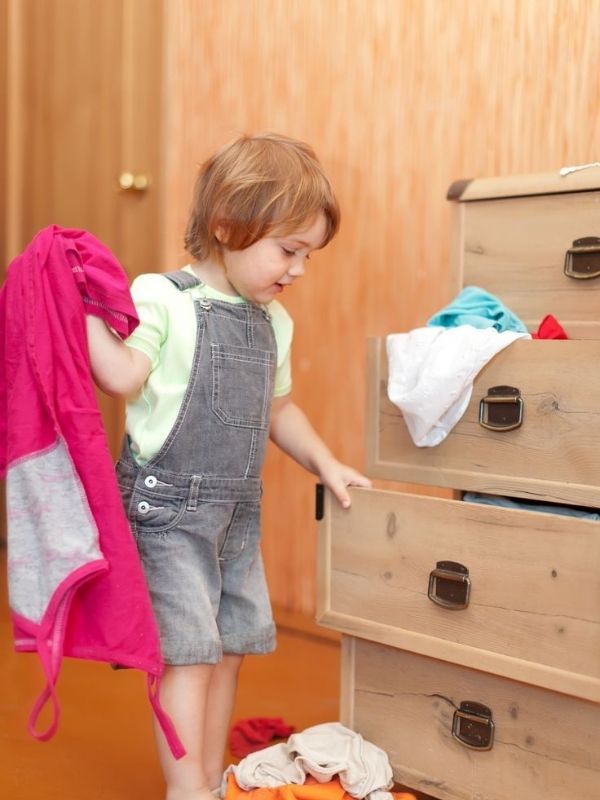
The first step is to think about how your child actually spends their days.
Do not begin by shopping. Instead, look at their routine.
A child who spends most afternoons playing outdoors needs durable clothes. A child who attends activities after school may need comfortable pieces that can handle movement. Meanwhile, a child who attends a school with a strict uniform policy may need fewer everyday outfits.
This is one of the most important parts of How to Build a Seasonal Capsule Wardrobe for Kids because the wardrobe should fit the child, not an imaginary lifestyle.
Consider school requirements, playtime, family outings, sports, special occasions, and time spent at home. Also think about your local climate. A mild winter requires different clothing from a winter with freezing temperatures.
Your laundry routine matters too. If you wash clothes several times a week, you may need fewer pieces. However, if laundry happens once a week, having extra everyday basics can prevent stressful mornings.
Take a few minutes to write down the activities your child does most often. This simple exercise will help you avoid buying clothing that looks nice but rarely gets worn.
Check out our
12 Non-Scary Halloween Costumes for Kids
Best Backpacks for Kindergarten: How to Choose the Perfect One
Cute Back-to-School Outfits for Kids
Best Back-to-School Accessories for Kids
Best Thanksgiving Dresses for Little Girls
Matching Family Thanksgiving Outfit Ideas
15 Cute Thanksgiving Outfits for Kids
Step 2: Check the Current Wardrobe
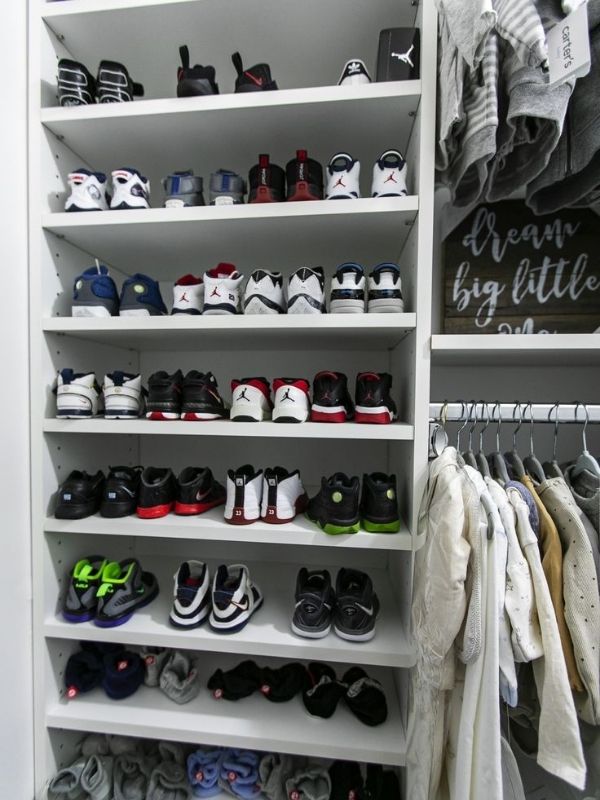
Now it is time to open the closet and look at what you already have.
Take everything out if possible. Seeing the entire wardrobe at once makes it easier to understand what you actually own.
Create simple groups based on condition and usefulness. Look for clothes that fit well, clothes that are too small, damaged items, seasonal pieces, and clothes your child simply refuses to wear.
Pay attention to duplicates. You might discover that your child has seven similar T-shirts but only one comfortable pair of trousers.
This step is essential because How to Build a Seasonal Capsule Wardrobe for Kids starts with using what you already own.
Do not rush to throw everything away. If something is slightly too big but likely to fit later, store it safely for another season. If an item is sentimental, keep it separately rather than allowing it to take up valuable everyday wardrobe space.
For clothes that no longer fit, consider whether they can be passed to a younger sibling, donated, repurposed, or recycled according to local options.
The aim is to create a clear picture of your child’s current clothing collection before you spend money.
Please keep Reading….. Don’t stop here 
Step 3: Remove Clothes That Do Not Work
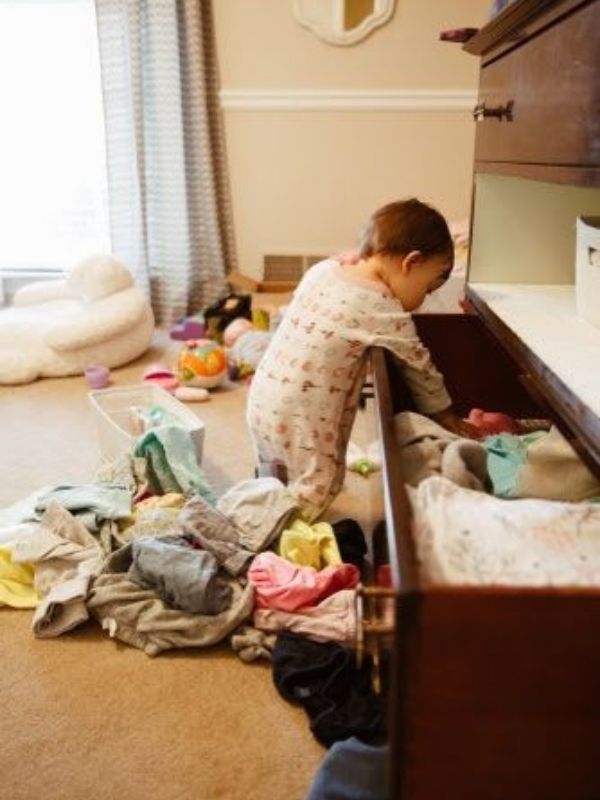
Once you have checked the wardrobe, separate the pieces that should not be part of the current capsule.
Start with obvious problems. Clothes that are too small, uncomfortable, badly damaged, or unsuitable for the season can move out of the everyday wardrobe.
Then consider clothes your child consistently avoids.
Maybe the fabric feels scratchy. Perhaps the waistband is uncomfortable. Maybe your child dislikes the neckline. Whatever the reason, there is little value in keeping several pieces that never leave the hanger.
When learning How to Build a Seasonal Capsule Wardrobe for Kids, remember that comfort is not optional. A beautiful outfit is not useful if your child refuses to wear it.
You also do not need to force every piece into the capsule simply because you already paid for it. The money has already been spent. Keeping an unsuitable item will not recover the cost.
However, avoid creating unnecessary waste. If a piece is still usable, consider storing, donating, handing it down, or finding another practical use for it.
Check out our
Baby’s First Christmas Outfit Ideas
Best Matching Family Christmas Pajamas
Christmas Party Outfits for Kids
20 Christmas Outfits for Kids That Are Merry and Stylish
15 Cute Thanksgiving Outfits for Kids
Step 4: Choose a Simple Color Palette
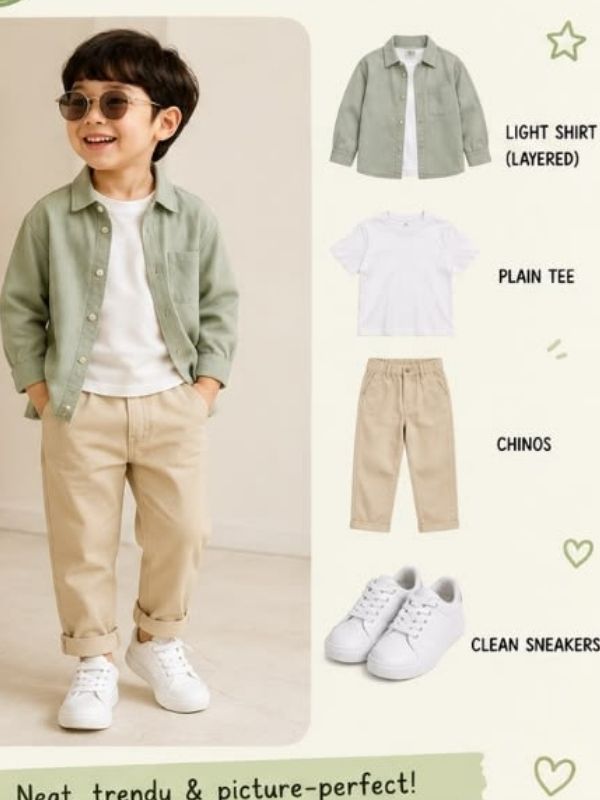
Next, choose a small group of colors that work together.
You do not need to make your child’s wardrobe completely neutral. Kids can enjoy bright colors, patterns, and playful designs. The trick is to choose colors that can easily mix with the basics.
For example, you might choose navy, gray, cream, denim, or black as foundation colors. Then you can add brighter shades such as green, blue, pink, yellow, orange, or purple.
Think about your child’s existing wardrobe before choosing new colors. If most of their clothes are blue and gray, adding a few pieces in a complementary color may create many new combinations.
Patterns can work too. However, if every item has a different bold print, mixing outfits can become harder.
A useful approach is to keep many bottoms relatively simple while allowing shirts, sweaters, dresses, or accessories to provide more personality.
This makes How to Build a Seasonal Capsule Wardrobe for Kids more practical because fewer pieces can create more combinations.
Most importantly, let your child’s preferences have a place. A capsule wardrobe should still feel like their wardrobe.
Step 5: Decide How Many Clothes You Actually Need
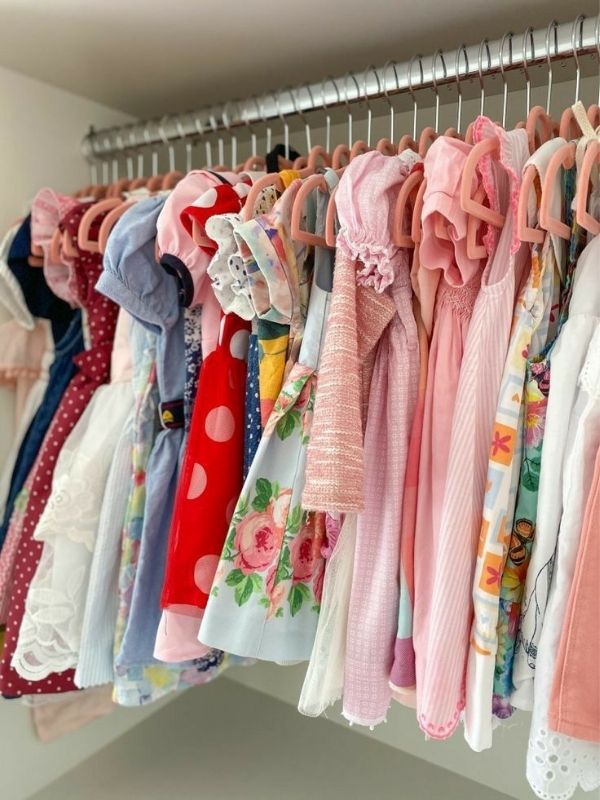
There is no magic number for a children’s capsule wardrobe.
Instead, calculate based on your child’s routine.
Start with the number of days between laundry days. Then consider how frequently clothes need to be changed. Younger children may need more tops because spills and messy play are common.
For an older child who does laundry frequently, a smaller collection may be enough. However, you should always have a few extra basics for unexpected messes, school activities, and weather changes.
Think in terms of categories rather than strict totals.
Your child may need everyday tops, bottoms, layering pieces, sleepwear, underwear, socks, outerwear, and shoes. The exact quantity can vary depending on age, school requirements, climate, and activities.
This flexible approach makes How to Build a Seasonal Capsule Wardrobe for Kids much easier because you are creating a wardrobe around real needs rather than copying someone else’s number.
If you notice that your child constantly runs out of one category, adjust it. A capsule wardrobe is supposed to make life easier, not create another rule you have to worry about.
Step 6: Build Around Everyday Basics
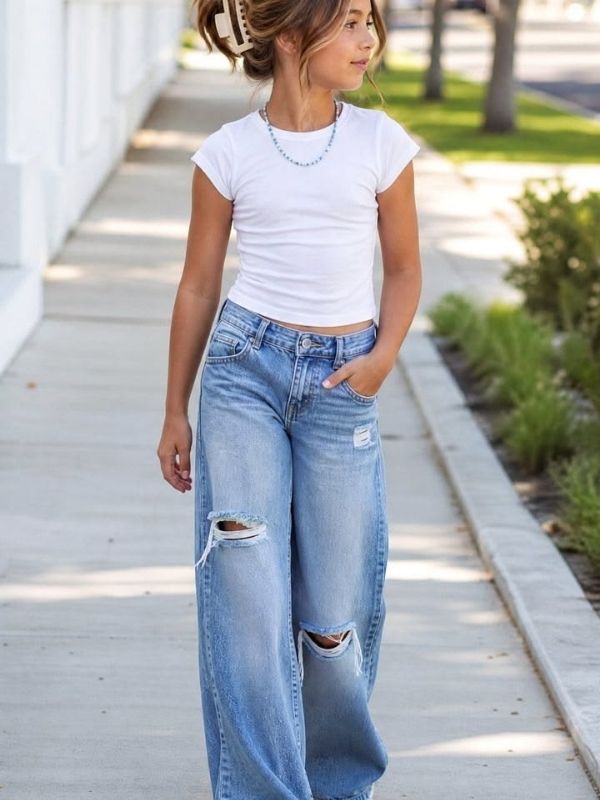
Now choose the pieces your child will wear most often.
Start with comfortable tops and bottoms that can be used for school, home, and casual activities. These should be easy to wash and comfortable enough for movement.
For example, soft T-shirts can work under sweaters. Long-sleeve tops can become layering pieces. Comfortable trousers can work with several tops. Jeans may suit outings, while joggers can be useful for relaxed days.
For younger children, elastic waistbands can make dressing easier. For older children, adjustable waist features can help extend the useful life of some garments.
The best basics are not necessarily the cheapest or most expensive. Instead, look for pieces with good construction, comfortable fabric, and a fit that allows movement.
As you work through How to Build a Seasonal Capsule Wardrobe for Kids, ask one useful question about every item: “How many different outfits can this create?”
If the answer is several, the piece is probably doing its job.
Step 7: Add Seasonal Layers
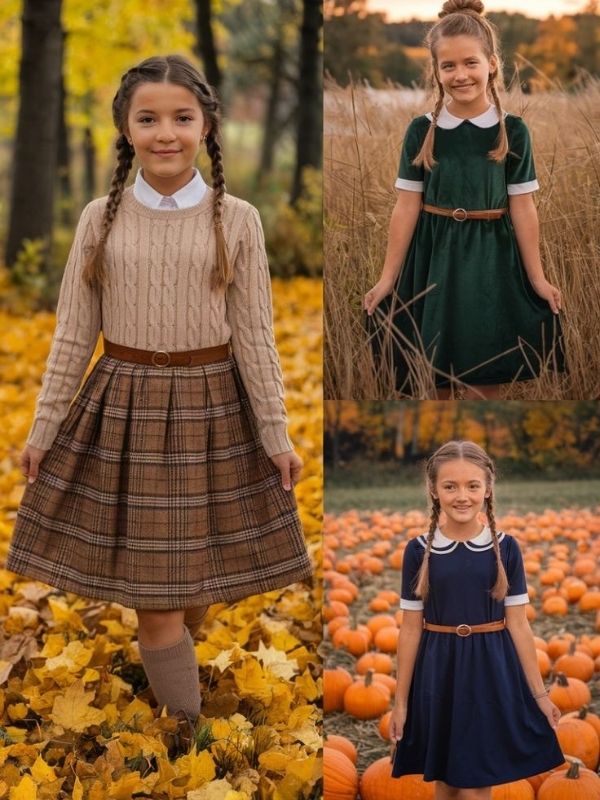
Layers are especially useful because weather can change throughout the day.
For fall, a child might wear a T-shirt with a cardigan or light jacket. In winter, several layers may be needed. During spring, a light sweater or jacket can help with cooler mornings. For mild summer evenings, a lightweight layer may still be useful.
Choose layers that are easy to put on and remove.
Cardigans, hoodies, lightweight sweaters, sweatshirts, denim jackets, rain jackets, and warm coats can all have a role depending on your climate.
When planning How to Build a Seasonal Capsule Wardrobe for Kids, think about the entire day rather than only the morning temperature.
A chilly morning may become warm by afternoon. Therefore, removable layers can be more useful than one extremely heavy piece.
For colder climates, remember that children may need appropriate cold-weather accessories and outerwear. These should be selected according to local weather conditions and the activities your child does outdoors.
Step 8: Choose the Right Shoes

Shoes deserve special attention because children use them heavily.
Instead of buying many pairs, focus on the shoes your child genuinely needs.
A typical wardrobe might include an everyday pair, a school-appropriate pair if required, an activity or sports pair, and weather-specific footwear when necessary.
The exact selection depends on your child’s routine and climate.
Check the fit regularly because children’s feet grow. Shoes that were comfortable a few months ago may become tight surprisingly quickly.
Also consider whether your child can manage the shoes independently. Younger children may find simple closures easier than complicated laces.
When considering How to Build a Seasonal Capsule Wardrobe for Kids, remember that shoes should support the activities your child actually does.
You do not need several pairs that serve the same purpose. A few useful options can be much easier to organize.
Check out our
Baby’s First Christmas Outfit Ideas
Best Matching Family Christmas Pajamas
Christmas Party Outfits for Kids
20 Christmas Outfits for Kids That Are Merry and Stylish
15 Cute Thanksgiving Outfits for Kids
Step 9: Create Outfit Combinations
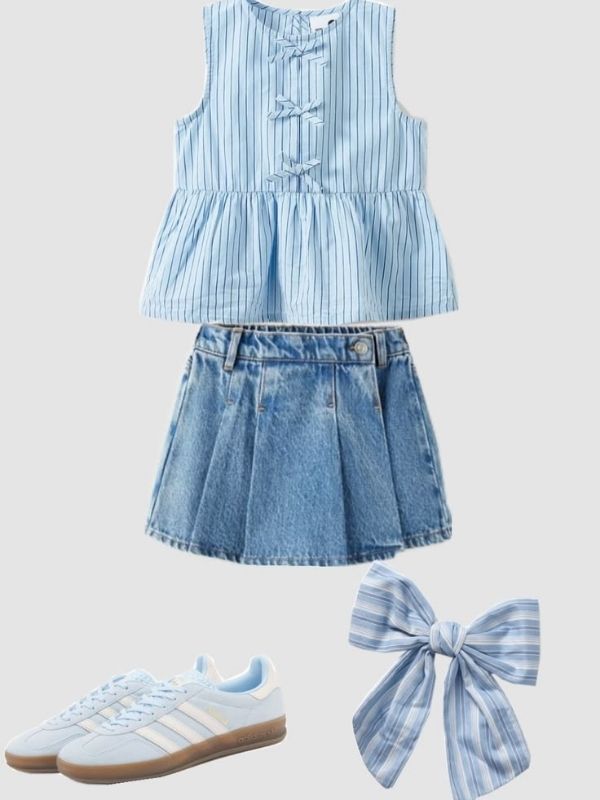
Now comes the fun part.
Take the clothes you have selected and start creating combinations.
Pair each top with several bottoms. Then look at how sweaters, jackets, and other layers fit into those outfits.
You do not need to photograph every combination, although taking a few simple photos can help younger children choose outfits independently.
For example, one pair of neutral trousers might work with a striped T-shirt, a plain sweatshirt, a colorful sweater, and a patterned long-sleeve top.
That single bottom has now become part of several outfits.
This is the central idea behind How to Build a Seasonal Capsule Wardrobe for Kids. Each item should connect with several others rather than existing as a standalone outfit.
If you discover a piece that only works with one specific item, think carefully about whether it deserves space in the capsule.
Of course, special outfits are an exception. A party dress or formal shirt does not need to work with everyday clothes.
Step 10: Add Personality With Small Details

A capsule wardrobe should never feel boring.
Children can still express themselves through color, patterns, accessories, and favorite pieces.
A colorful sweatshirt can become a statement item. A fun hair accessory can change a simple outfit. A patterned pair of socks can add personality without requiring an entirely new outfit.
For older children, scarves, hats, simple jewelry where appropriate, or other personal accessories can add variety.
However, keep these additions manageable.
The purpose of How to Build a Seasonal Capsule Wardrobe for Kids is not to create a perfectly coordinated wardrobe that looks like it came from a catalog. It is to create a wardrobe that feels useful and personal.
Let your child’s personality guide some of the choices. If they love dinosaurs, flowers, space, bright colors, or sports-inspired designs, include those interests where practical.
A wardrobe can be organized without becoming overly serious.
Step 11: Plan for Growth
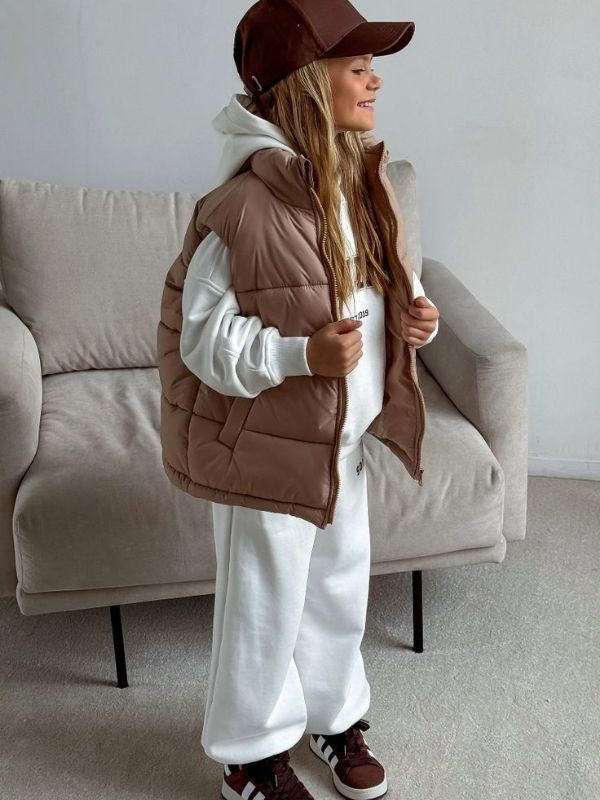
Children grow, so seasonal planning needs to account for changing sizes.
Avoid buying too many pieces far ahead unless you know the child will realistically wear them later. Children’s growth can be difficult to predict.
Instead, focus on what fits now and what is likely to fit throughout the season.
Adjustable waistbands, flexible fabrics, and slightly roomy outer layers can sometimes extend the useful life of clothing. However, avoid buying clothes that are so large that they become uncomfortable or unsafe to wear.
Before each new season, check sleeves, trouser lengths, waistbands, and shoe sizes.
This makes How to Build a Seasonal Capsule Wardrobe for Kids a recurring process rather than a one-time project.
You can also keep a small storage area for clothes that are expected to fit soon. This prevents future-size pieces from crowding the current wardrobe.
Step 12: Shop Only for Missing Pieces
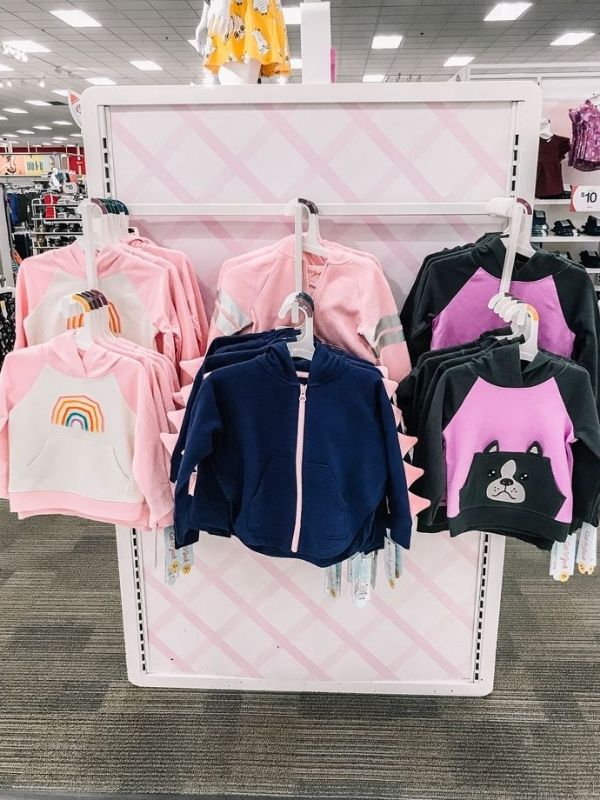
After sorting, combining, and checking the wardrobe, make a shopping plan.
This is the moment to identify genuine gaps.
Perhaps your child needs another everyday pair of trousers. Maybe they need a warmer jacket. Perhaps all their long-sleeve tops have become too small.
Write down those needs before shopping.
A major mistake is shopping first and organizing later. That approach can result in duplicates and unnecessary spending.
When practicing How to Build a Seasonal Capsule Wardrobe for Kids, shopping should come near the end of the process.
Before buying anything, ask whether the item fills a real gap. Then ask whether it works with at least a few pieces already in the wardrobe.
Also consider durability. Kids are active, so clothing needs to survive normal play, washing, and everyday use.
You can shop secondhand when suitable, buy during seasonal sales, or invest in durable basics that can be passed down.
The goal is not to buy a completely new wardrobe every season.
Step 13: Organize the Capsule So It Is Easy to Use
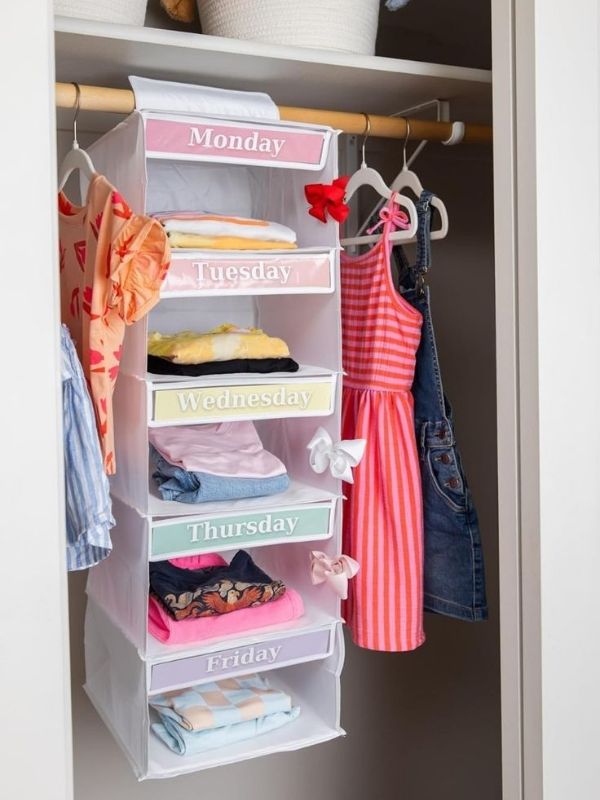
Once the clothing is ready, organize it in a way that makes sense for your child.
Keep current-season clothes easy to see and reach. Store out-of-season items elsewhere if you have the space.
You can organize by clothing type, such as tops together and bottoms together. Alternatively, younger children may benefit from simple outfit groupings.
Keep everyday items at an accessible height when appropriate. This can help children practice choosing and putting away their clothes.
If drawers are overflowing, the capsule may still be too large. If your child constantly runs out of clean basics, you may need a few more pieces.
Remember that How to Build a Seasonal Capsule Wardrobe for Kids is about creating a functional system.
A wardrobe can look beautifully organized but still fail if your child cannot easily find what they need.
Step 14: Review the Wardrobe During the Season
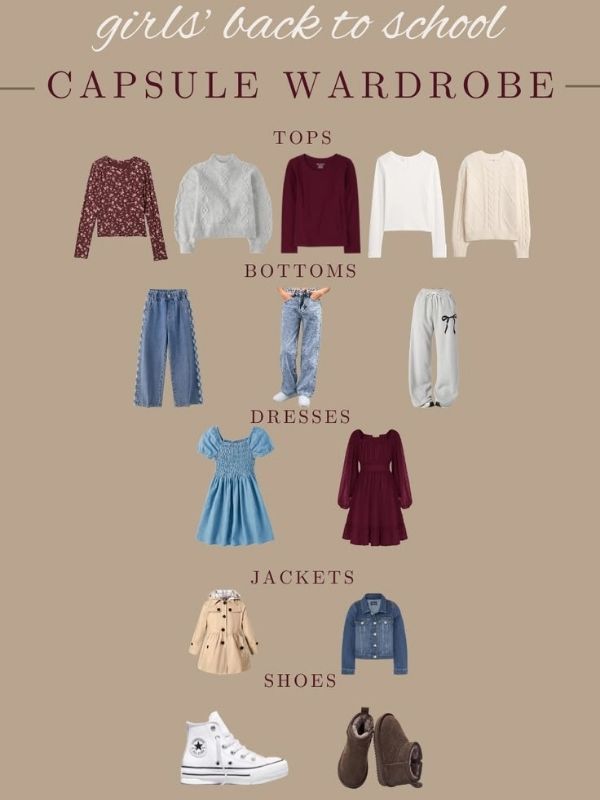
Do not wait until the next season to check whether the capsule is working.
After a few weeks, notice what your child actually wears.
Are certain shirts always chosen first? Are some trousers uncomfortable? Does your child need another layer? Are there pieces that remain untouched?
Use those observations to make small adjustments.
Maybe you discover that your child needs more everyday tops but fewer dressy clothes. Perhaps the weather is warmer than expected, so heavy layers are rarely used.
That is completely fine.
A capsule wardrobe should respond to real life.
This is why How to Build a Seasonal Capsule Wardrobe for Kids should be treated as an ongoing process rather than a strict formula.
Small changes throughout the season can keep the wardrobe useful without requiring a complete reset.
Step 15: Rotate and Refresh for the Next Season
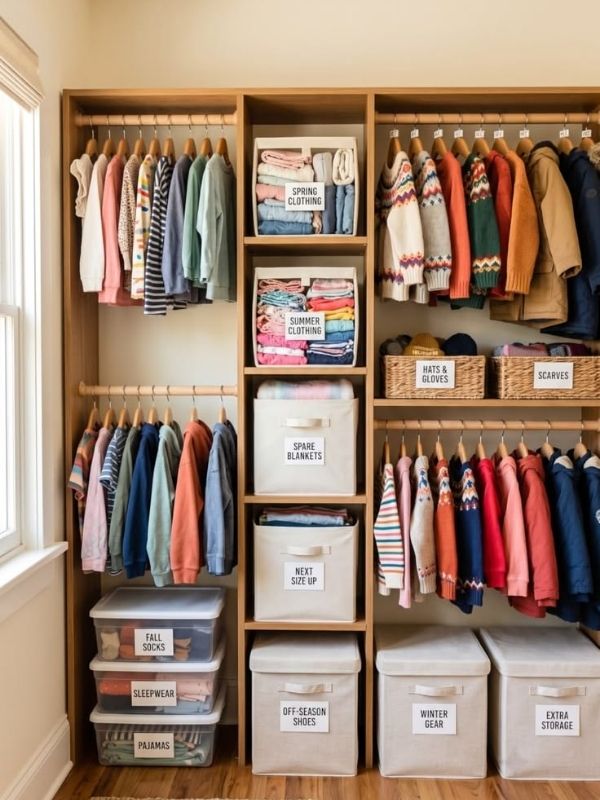
When the season begins to change, repeat the process.
Take out clothes that no longer suit the weather. Check what still fits. Wash and store suitable pieces properly. Then bring forward the clothes that match the upcoming season.
Before buying anything new, look at what can transition between seasons.
A lightweight sweater might work in spring and fall. A pair of jeans might work throughout much of the year. A basic T-shirt can be layered in cooler weather or worn alone when temperatures rise.
This kind of flexibility is one of the biggest strengths of How to Build a Seasonal Capsule Wardrobe for Kids.
You are not starting from zero every few months. Instead, you are building on a wardrobe that already works.
Seasonal Capsule Wardrobe Ideas for Spring
Spring often brings unpredictable weather, so flexibility is important.
Start with breathable everyday tops, comfortable trousers, lightweight dresses or skirts where appropriate, and a few easy layers.
A light cardigan can work over a T-shirt on a cool morning. Later, the cardigan can be removed when the temperature rises.
A lightweight jacket can also be useful for outdoor activities.
Choose fabrics that are comfortable and easy to wash because spring often means more outdoor play.
You can also introduce brighter colors and playful patterns if your child enjoys them.
However, avoid buying too many seasonal prints. A few fun pieces can create plenty of personality while keeping the rest of the wardrobe versatile.
Seasonal Capsule Wardrobe Ideas for Summer
Summer wardrobes usually focus on lightweight, breathable clothing.
Comfortable T-shirts, shorts, lightweight trousers, dresses, skirts, and suitable sleepwear can form the foundation.
Choose fabrics that feel comfortable in warm weather and allow easy movement.
Depending on your location, sun protection may also be important. Hats and suitable clothing can be useful during outdoor activities.
Because summer can involve more outdoor play, washable clothing is especially practical.
When following How to Build a Seasonal Capsule Wardrobe for Kids, remember that summer does not automatically mean buying a completely different wardrobe.
Some pieces can transition from spring into summer, while others can remain useful into early fall.
Seasonal Capsule Wardrobe Ideas for Fall
Fall is ideal for layering.
Start with basic tops, long-sleeve shirts, comfortable trousers, jeans, leggings where appropriate, and lightweight sweaters.
Then add a few jackets or cardigans that can be removed easily.
As the weather becomes colder, heavier outerwear may become necessary.
The beauty of fall clothing is that one outfit can often be adjusted throughout the day. A child might start with a long-sleeve shirt, add a sweater in the morning, and remove the sweater later.
This flexibility makes How to Build a Seasonal Capsule Wardrobe for Kids especially useful during transitional seasons.
Instead of buying many separate outfits, choose pieces that can adapt to changing temperatures.
Seasonal Capsule Wardrobe Ideas for Winter
Winter requires more attention to warmth and layering.
Depending on your climate, the capsule may include long-sleeve tops, warm sweaters, trousers, warm socks, coats, and weather-appropriate accessories.
Children who spend time outdoors may need additional cold-weather layers.
The key is to choose clothing that keeps them comfortable while still allowing movement.
Avoid creating an enormous collection of heavy items that are difficult to store. Instead, select practical layers that work together.
When learning How to Build a Seasonal Capsule Wardrobe for Kids, winter is also a good time to think about indoor temperatures. If your home and school are warm, your child may need lighter indoor layers with a warmer outer layer for going outside.
How to Make a Capsule Wardrobe Work on a Budget
You do not need a large budget to create a useful capsule wardrobe.
Start with what you already own.
This single habit can reduce unnecessary spending dramatically.
Next, identify only the genuine gaps. If your child has enough T-shirts but lacks warm trousers, buy trousers instead of another collection of T-shirts.
Secondhand shopping can also be helpful, especially for items that children may outgrow quickly. However, check condition, fit, and suitability before purchasing.
Sales can be useful too, but only when you already know what you need. A discount does not make an unnecessary item useful.
Another money-saving strategy is choosing colors that coordinate across seasons. A neutral pair of trousers can work with several seasonal tops, which means it may get much more wear.
The goal of How to Build a Seasonal Capsule Wardrobe for Kids is not to make shopping more exciting. It is to make every purchase more intentional.
How Often Should You Rebuild a Kids’ Capsule Wardrobe?
You do not necessarily need to rebuild the wardrobe completely every season.
Instead, think of each season as a review point.
Check what fits, what is worn, what needs replacing, and what can transition into the next season.
Some children may need frequent updates because they grow quickly. Others may be able to use many pieces for longer.
Pay attention to wear and tear too.
A frequently worn shirt may need replacing sooner than an occasional outfit. Similarly, shoes may need attention before clothing does because children can outgrow them quickly.
A seasonal review keeps the wardrobe practical without turning clothing management into a major project.
How to Store Out-of-Season Clothes
When the weather changes, store clothes that are no longer needed.
Before storing anything, make sure it is clean and completely dry.
Fold clothing neatly and use clearly labeled containers if helpful. Keep seasonal items in a dry, suitable storage area.
You can also separate clothes by size if you have multiple children.
For example, clothing that is too large for your youngest child can be stored separately from clothing that currently fits. This makes future wardrobe planning easier.
Do not store everything blindly. If an item is already damaged or unlikely to be used again, there is little reason to take up storage space with it.
Final Thoughts
Creating a seasonal capsule wardrobe for a child does not have to be complicated. In fact, the process becomes much easier when you focus on real life instead of trying to create a perfect closet.
Start by understanding your child’s routine. Then check what you already own, remove pieces that no longer work, choose a simple color palette, and build around comfortable basics. From there, add layers, shoes, personality pieces, and seasonal essentials as needed.
Most importantly, do not feel pressured to follow a strict number of clothes. Children are individuals, and their wardrobes should reflect their age, activities, climate, school requirements, and laundry routine.
The biggest lesson from How to Build a Seasonal Capsule Wardrobe for Kids is simple: fewer, more useful clothes can often make everyday dressing easier.
A successful capsule wardrobe should save time rather than create more work. It should give children enough choices without overwhelming them. It should also make it easier for parents to see what they have before spending money on something new.
As your child grows, the wardrobe will change too. That is normal. Use each seasonal transition as an opportunity to check what fits, what gets worn, and what your child actually needs.
With a little planning, you can create a flexible collection of clothes that works across school days, playdates, family outings, relaxed weekends, and changing weather.
And once the system is established, the next seasonal refresh becomes much simpler. Instead of starting with an overflowing closet, you can begin with a clear foundation and make only the changes that genuinely matter.
That is what makes How to Build a Seasonal Capsule Wardrobe for Kids such a practical approach for busy families. It is not about having the smallest wardrobe possible. It is about making every piece count, keeping dressing simple, and giving your child clothes that work as hard as they do.